
The effects of quarantine ripple differently across the many spaces of our communities. While each has its own quirks, most of us can agree that the seemingly trivial task of staying indoors presents its own challenges and difficulties. Behind closed doors, time seems to move more awkwardly—sometimes bending out of shape or stretching itself out of proportion. Some people have attempted to organize this chaotic movement of time, while most of us have wound up drifting along its currents.
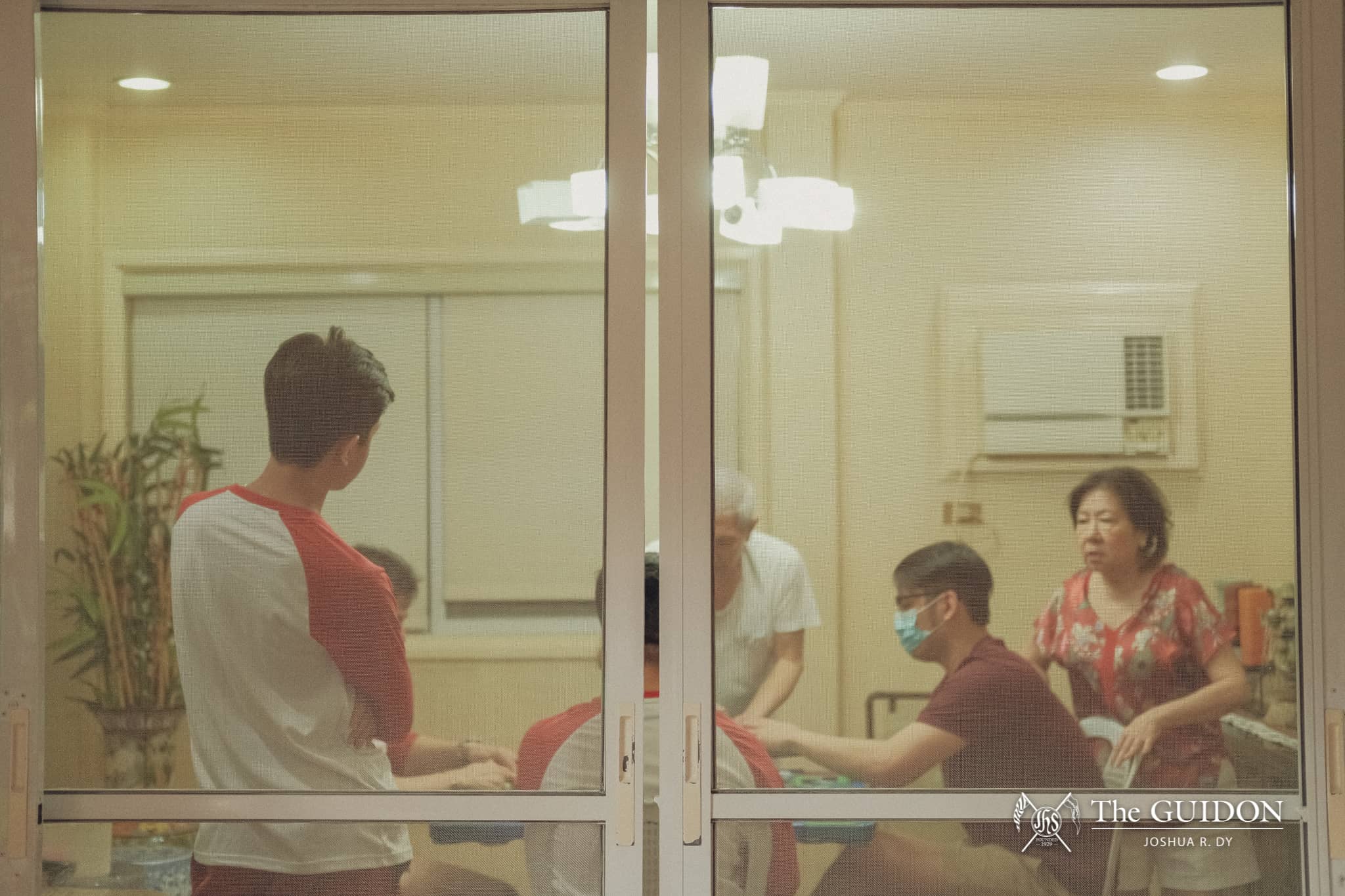
Inside this remote village in Paranaque situated by the controversial bay, time passes rather slowly. It has been this way for a while now. That is, until the idea of playing mahjong as a pastime was pursued.

Mahjong is a staple game in Filipino-Chinese households. My fondest memories of it involved matches among my grandparents and their close friends who would come by every Sunday afternoon to play. It was frequently competitive and dramatic. Every grab and toss of a tile was heavily calculated and scrutinized. They tried desperately to leave nothing to chance.
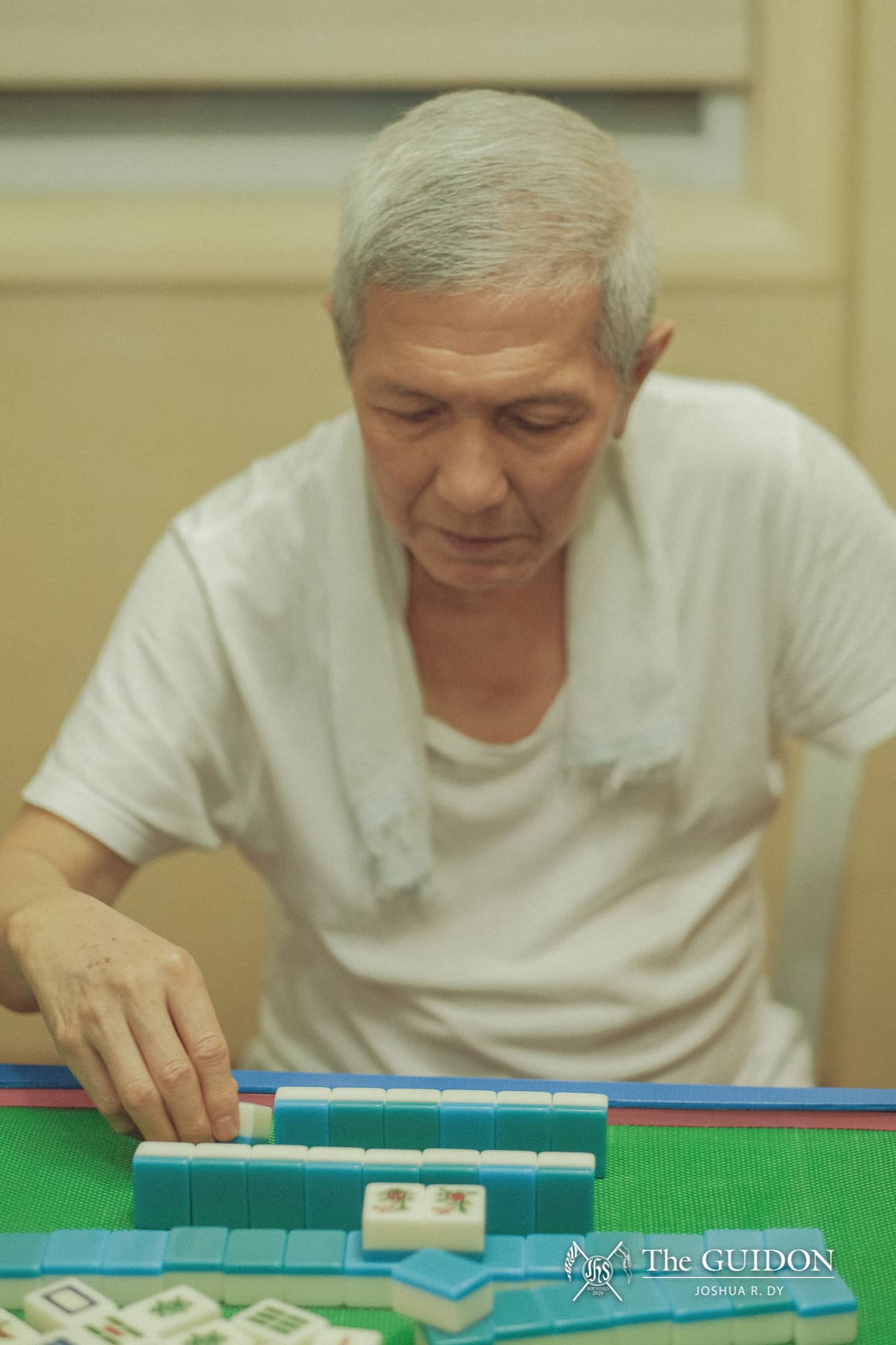
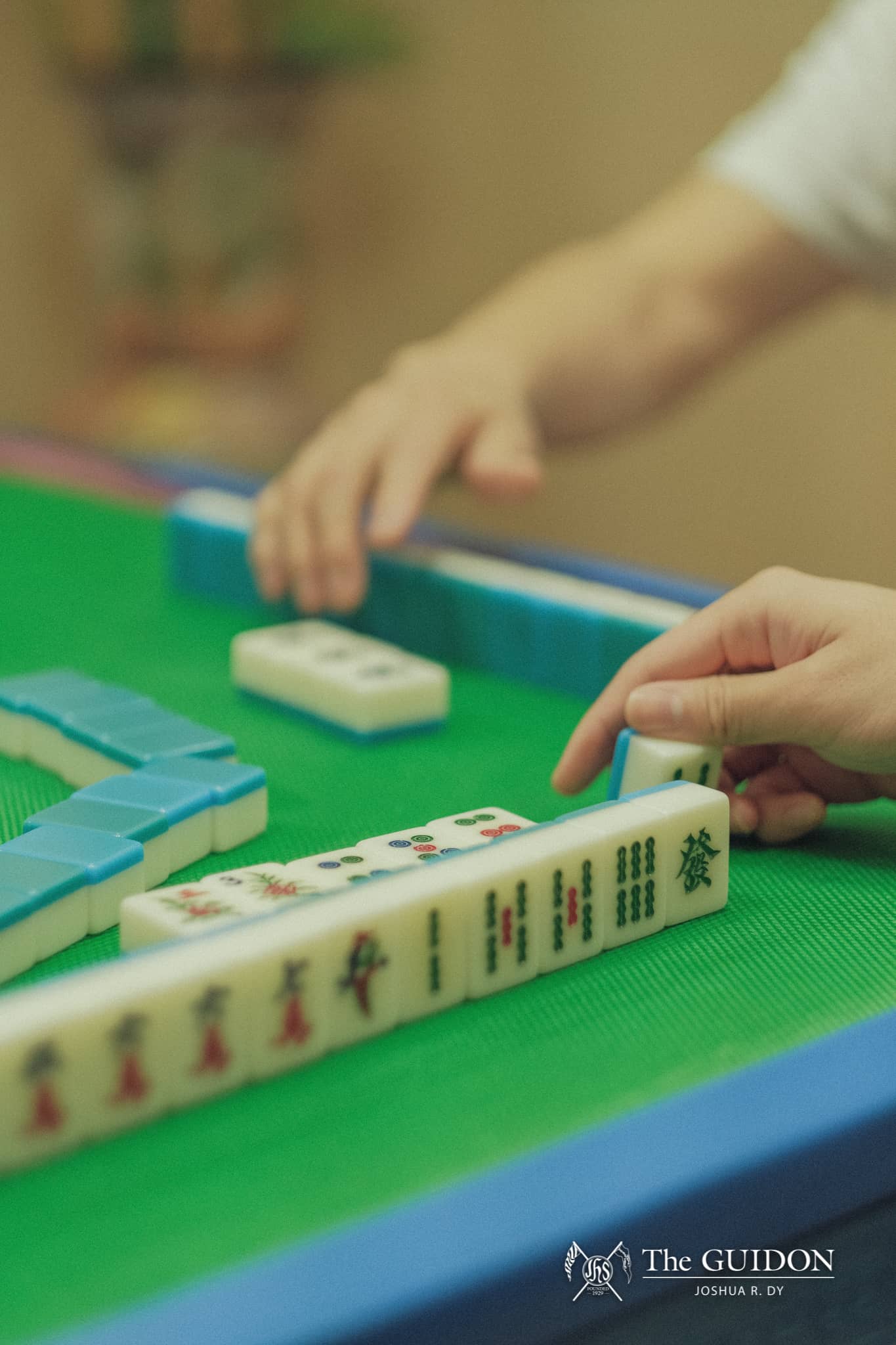
As the years rolled on, we learned that these friends, in their own painful way, had come to pass. It was, at that time, already heavy to hear those stories of illness and
departure—like a distant echo of what we hear today. One by one, the chairs were left empty, and so my grandparents once decided that the tables were to be folded up for good. Despite its many shortcomings, the quarantine has provided the opportunity to wipe the dust off our old tables and tiles. A familiar game makes its return once again.
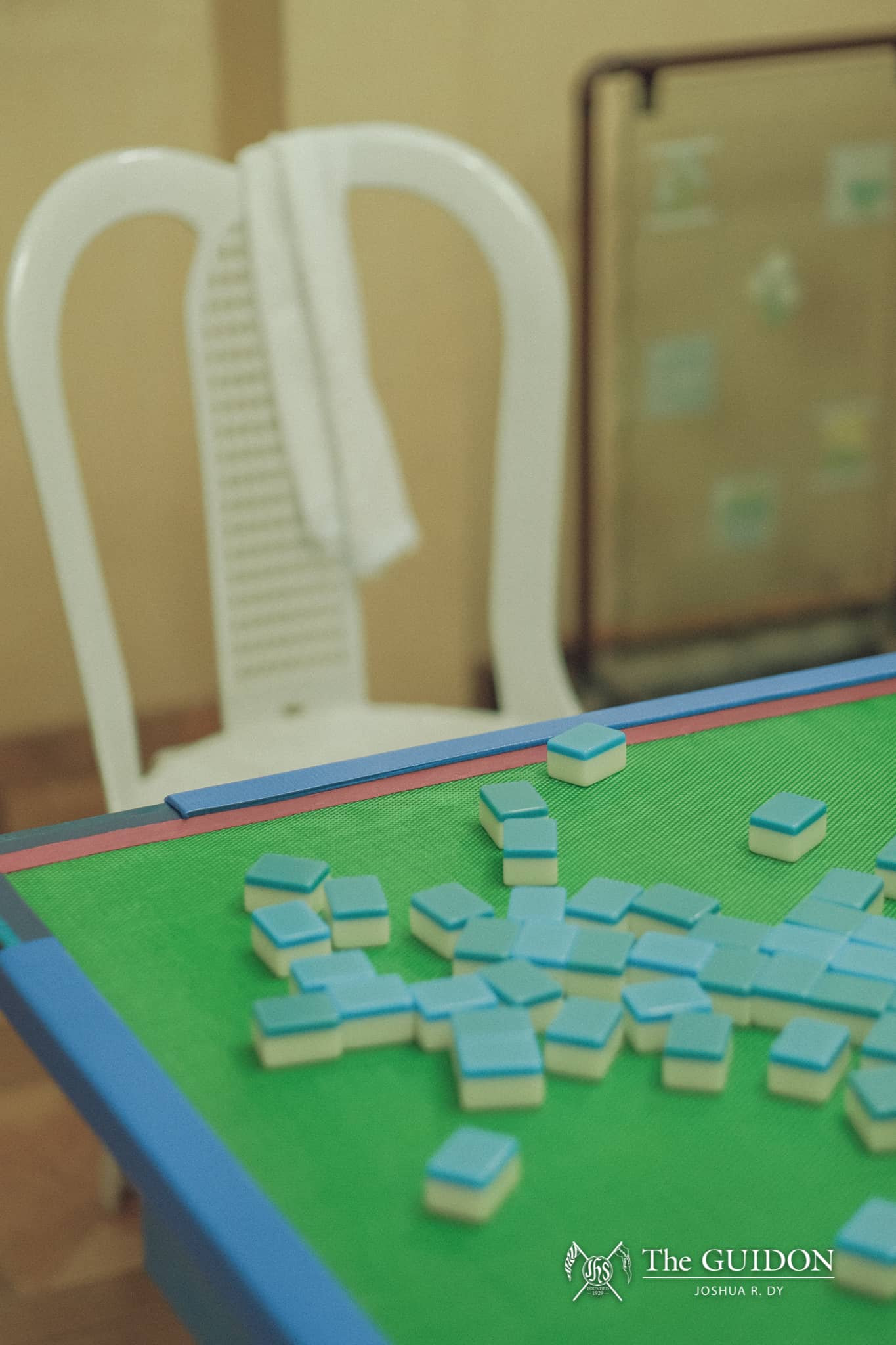
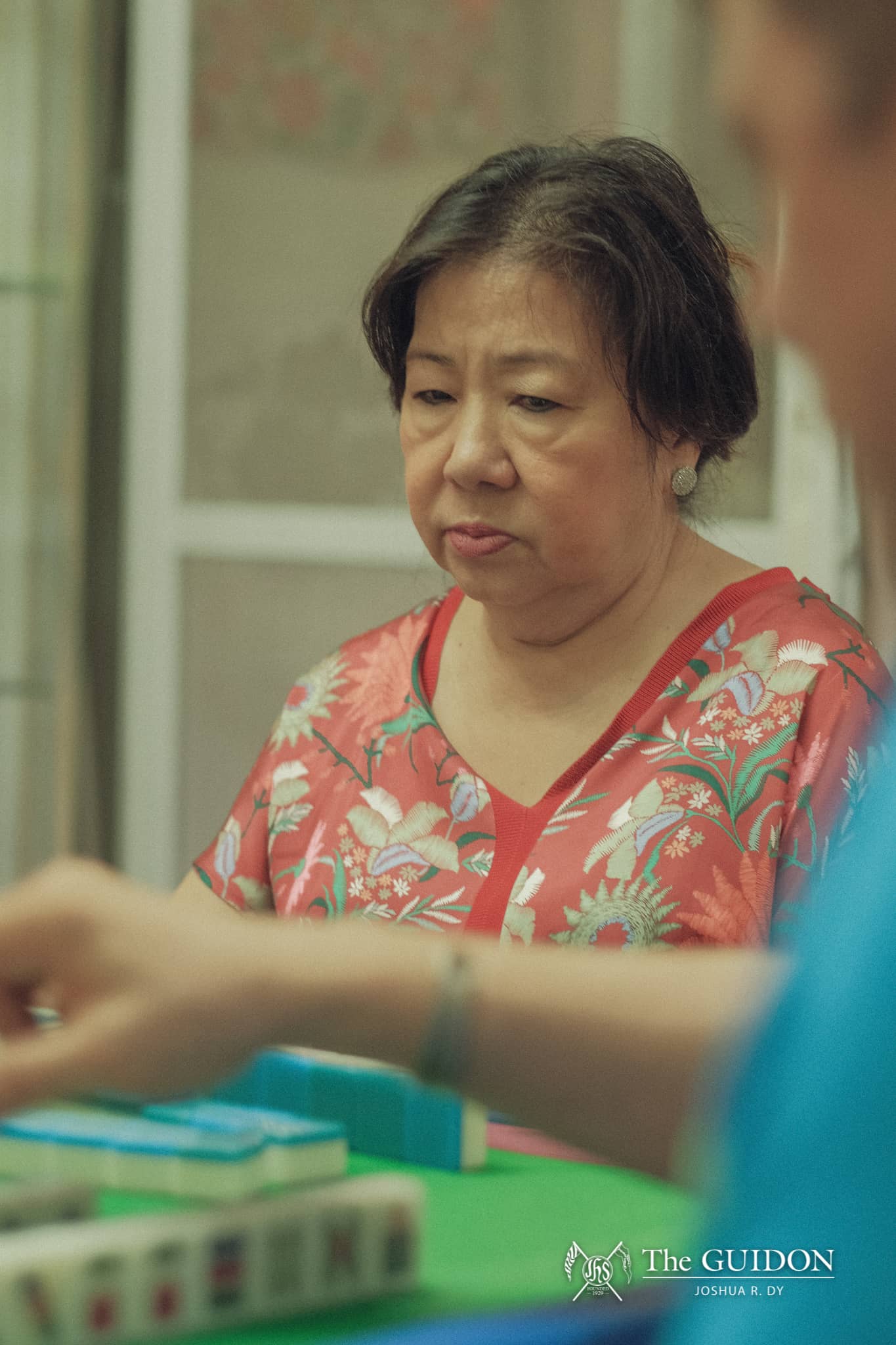
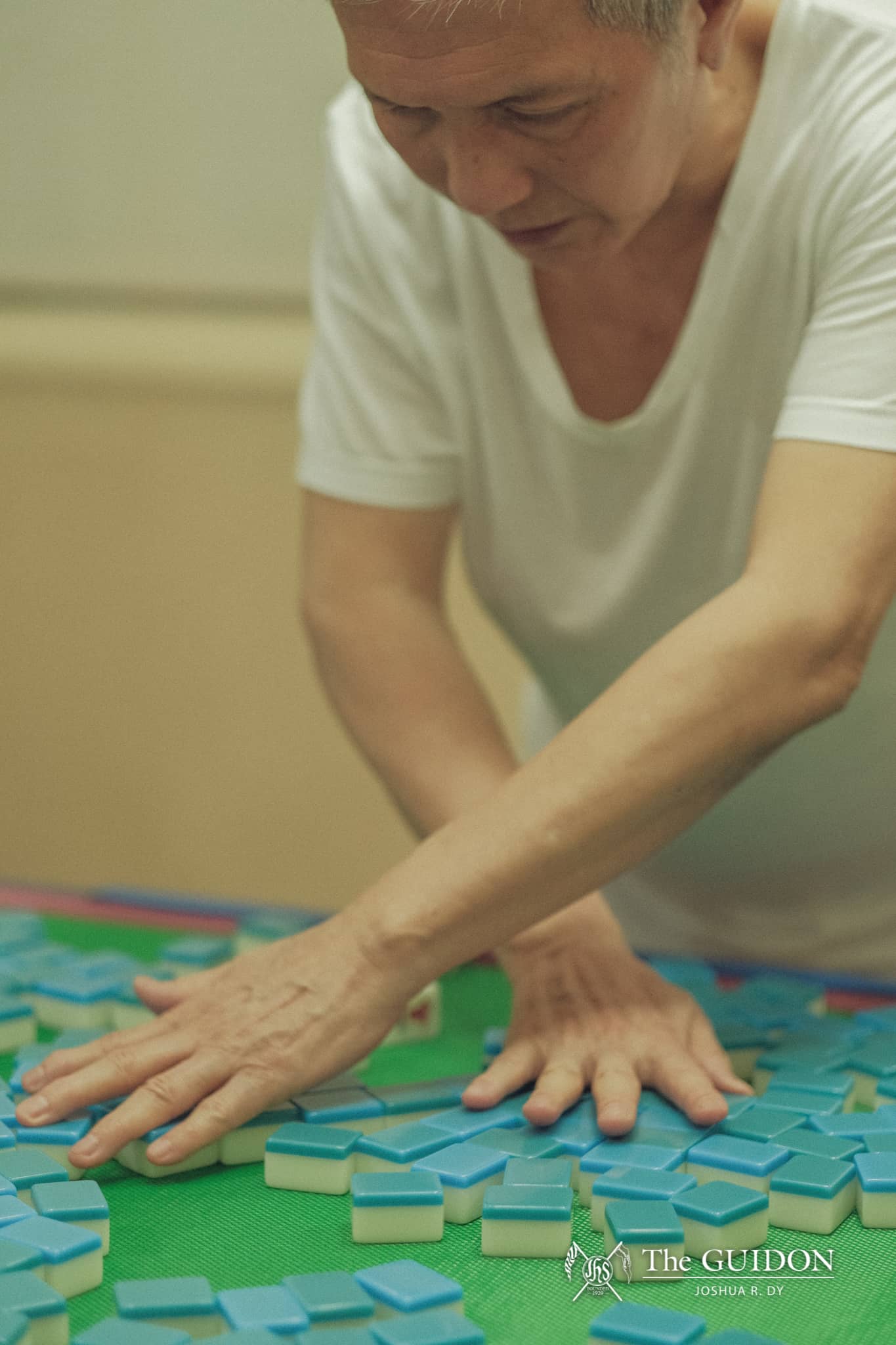
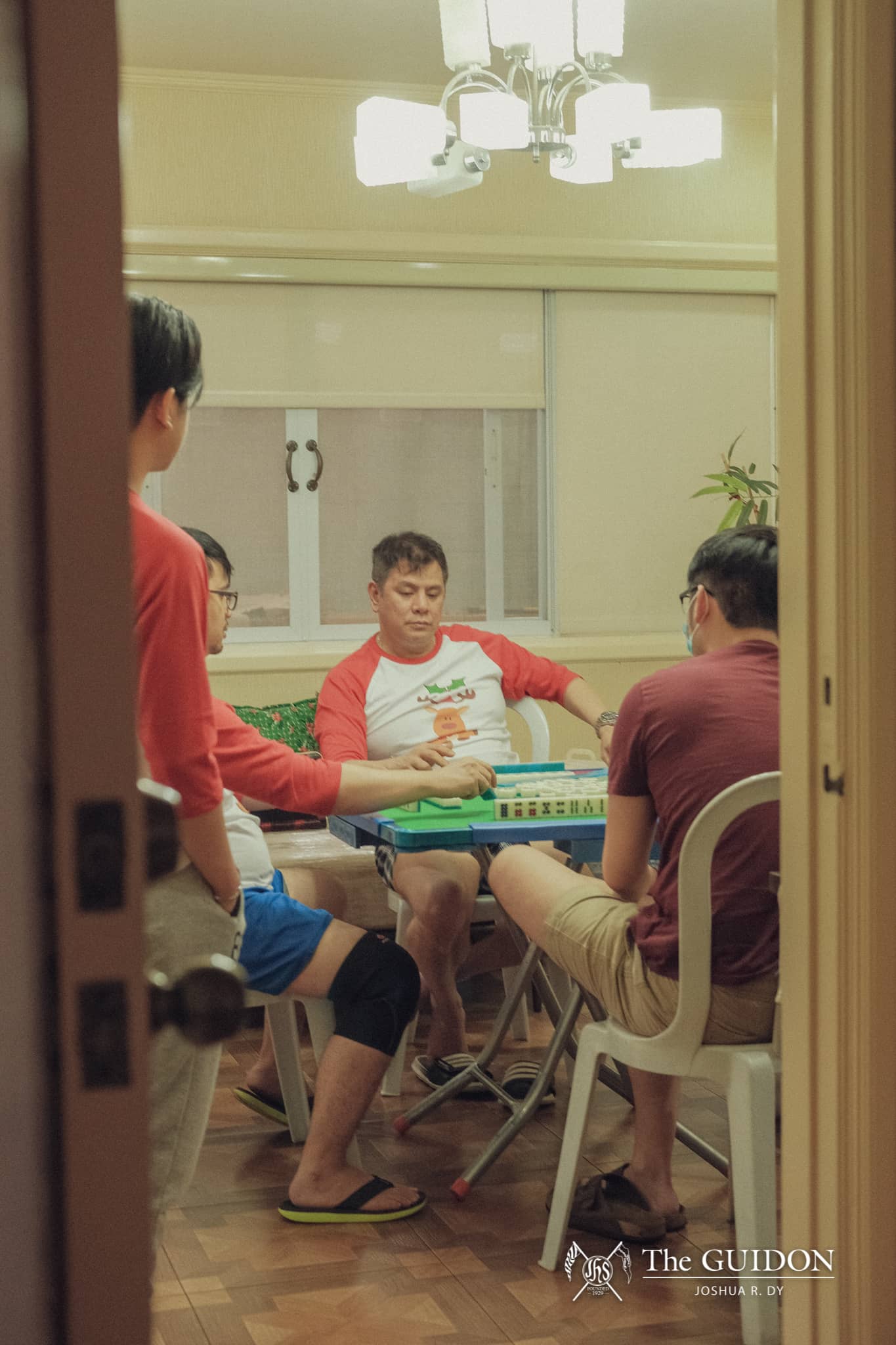
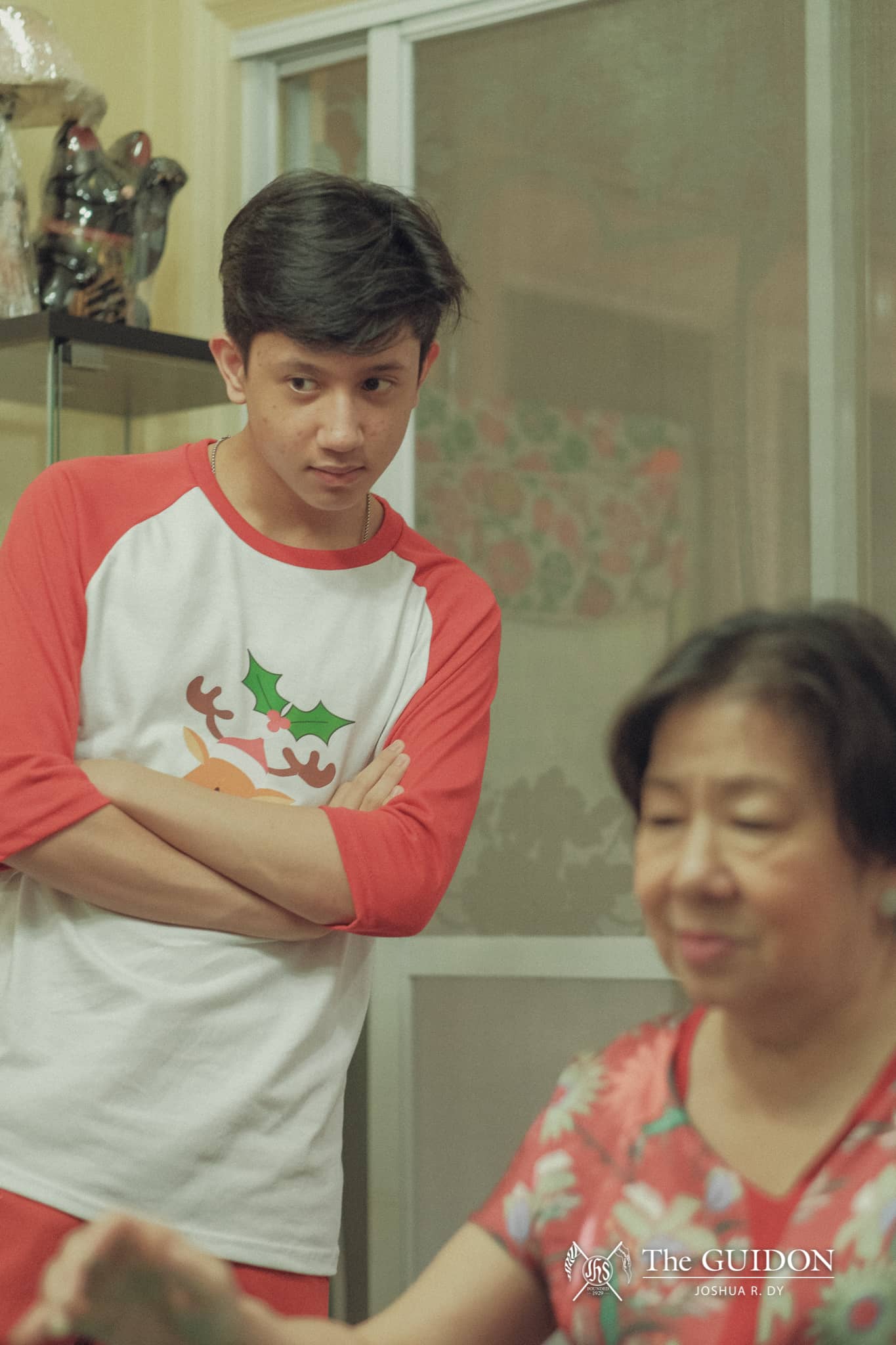
This green square table was a place of catharsis for everyone. For my angkong (grandfather) and ama (grandmother), it was a chance to relive all the memories that were left behind by departed friends and experiences. For us younger folks, it was a chance to learn—a chance to revive a distant tradition that we thought had been lost.
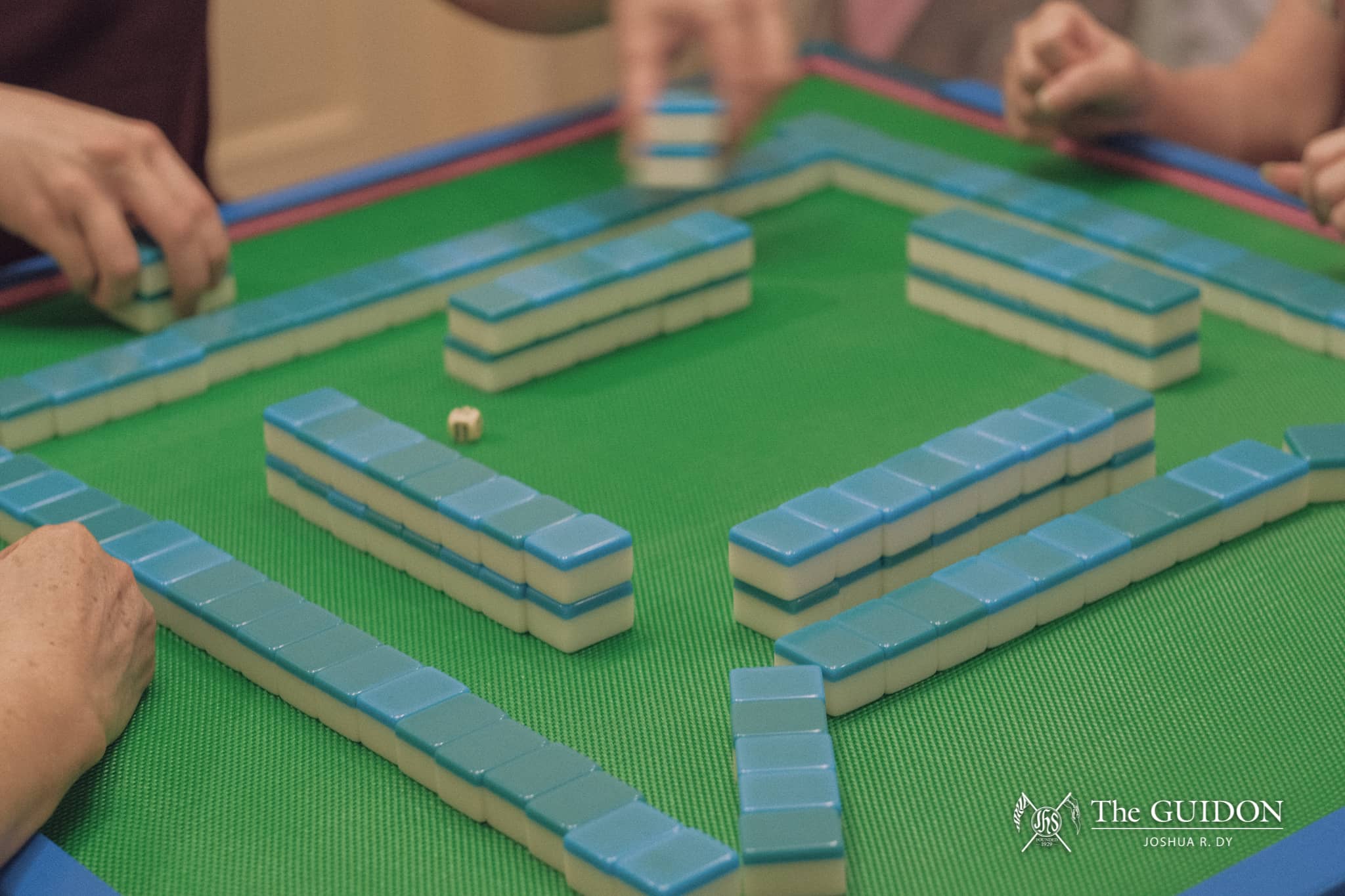
As we continued to learn the rudiments of mahjong, we quickly grew fond over the interplay of strategy and probability. So many opportunities unfold in front of our hands. Through its complex economy, the game teaches us a simple lesson: To be patient in all things and that we should not simply count our individual wins or
losses—because these are inevitable—rather, look at our hands from the much bigger picture.
Truly, we face the challenge of finding ways to move forward with our now strange and bizarre lives. Like the east wind shifting towards new directions, we try to seek new moments of bliss in places that often seem bleak and mundane. Though painful, we take it day by day—accepting new learnings and experiences while discarding those that we do not need.
With this pandemic now pushing a year and beyond, we find ourselves exasperated by the incongruous reality we face. There are certainly days where it feels easier to drift along the currents of our anxiety, fear, and disappointment.
Amid all of this, we must not take for granted the chance to rediscover and revive our traditions. For us, this moment paid a visit through mahjong. The sound of the crashing tiles, the recitation of characters, and the laughter sparked between moments of victory and defeat all come together to form an ensemble of voices cementing the game into our heritage. While the world remains anxious for the emergence of new developments, we choose to remain behind our closed doors—hoping to steer the tide of this battle we share, and perhaps momentarily, stumble upon once lost and distant joys.