
On March 27, 2020, almost two weeks after Metro Manila was placed on a lockdown, ten Caloocan City residents tested positive for COVID-19. The total number has since risen to 15,162, but with only 476 active cases remaining as of January 19, 2021.
Despite being one of the three cities in northern Metro Manila with the lowest daily attack rate of the virus, it remains difficult for residents to run errands, especially with their health at great risk. The best way to protect themselves from the virus is to stay at home—but as the pandemic goes on, people are left with no choice but to go out to work or buy food.
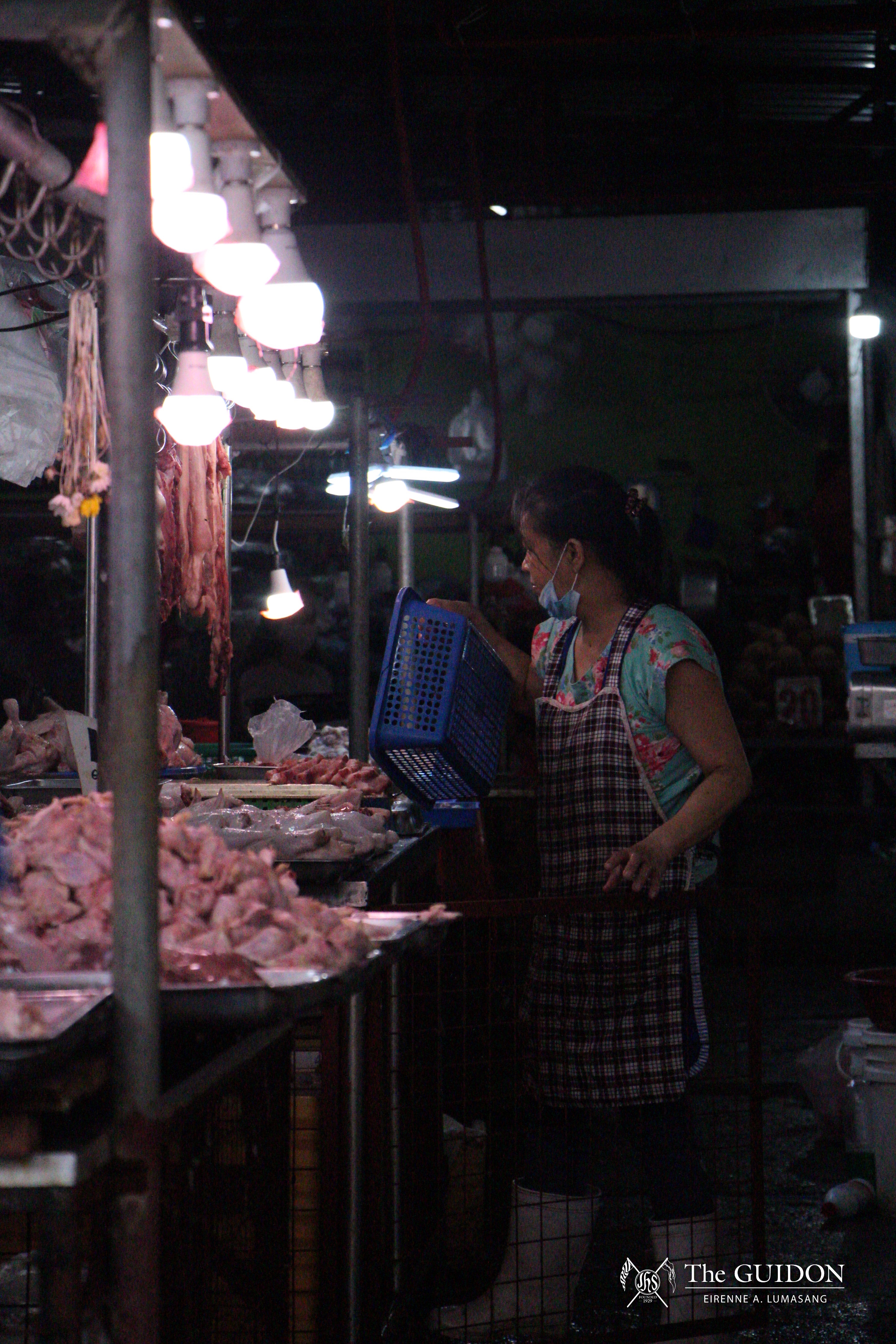
As grocery shopping remains a necessity during this pandemic, Caloocan City residents observe health and safety precautions by wearing masks and face shields on their trips to the mall, grocery, or wet market.
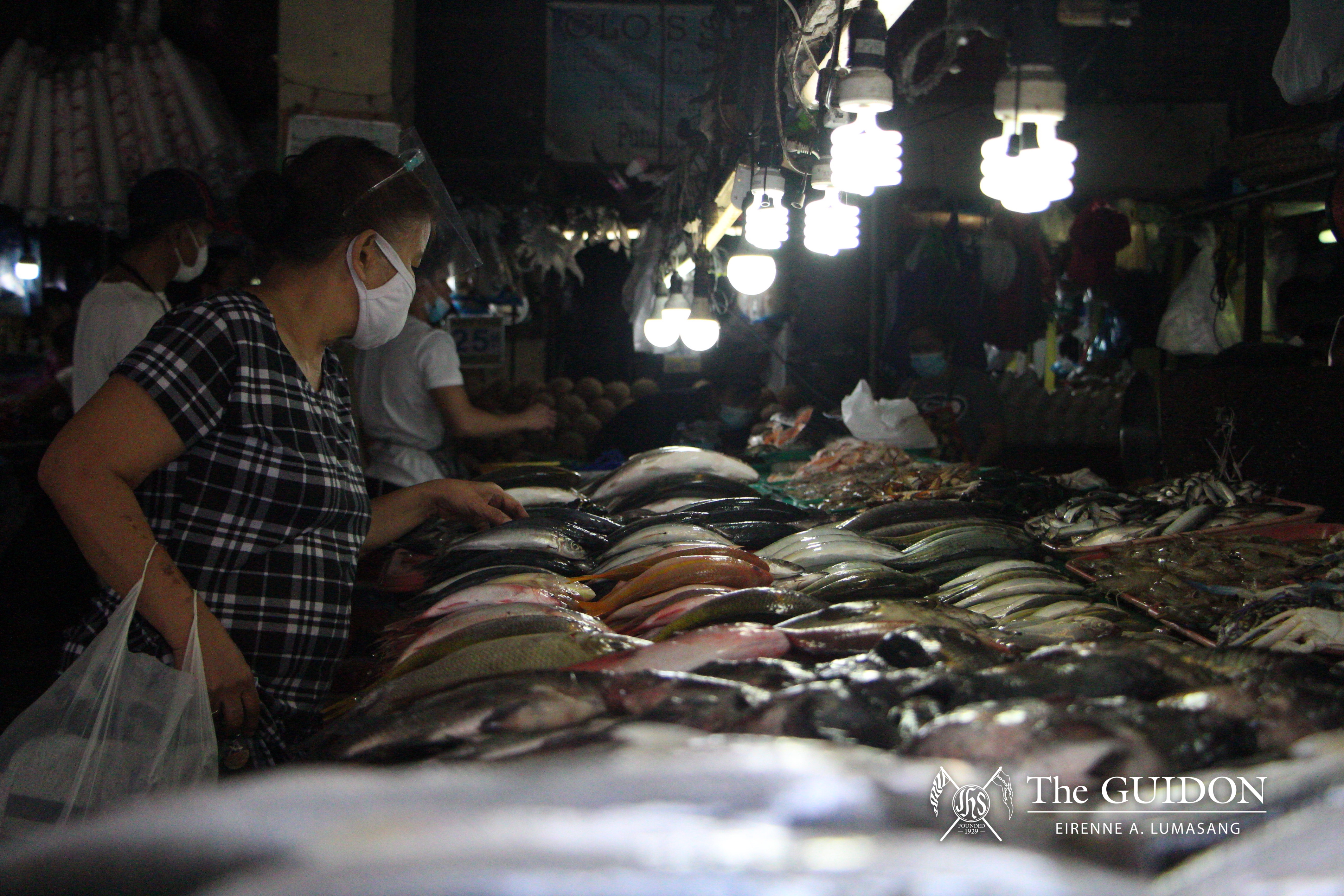
The Caloocan City government implemented a color-coded quarantine pass system, requiring its residents to follow window hours in the market to ensure the reduction of people in public places. An orange quarantine pass may be used by residents only on Mondays, Wednesdays, Fridays, and Sundays, while green quarantine passes are to be used on Tuesdays, Thursdays, Saturdays, and on Sundays.
On the other hand, individuals and laborers in the informal sector are given white quarantine passes that can be used daily. Employees of offices, factories and other essential businesses are also exempted from the color-coded system as they only need to show their company identification cards.
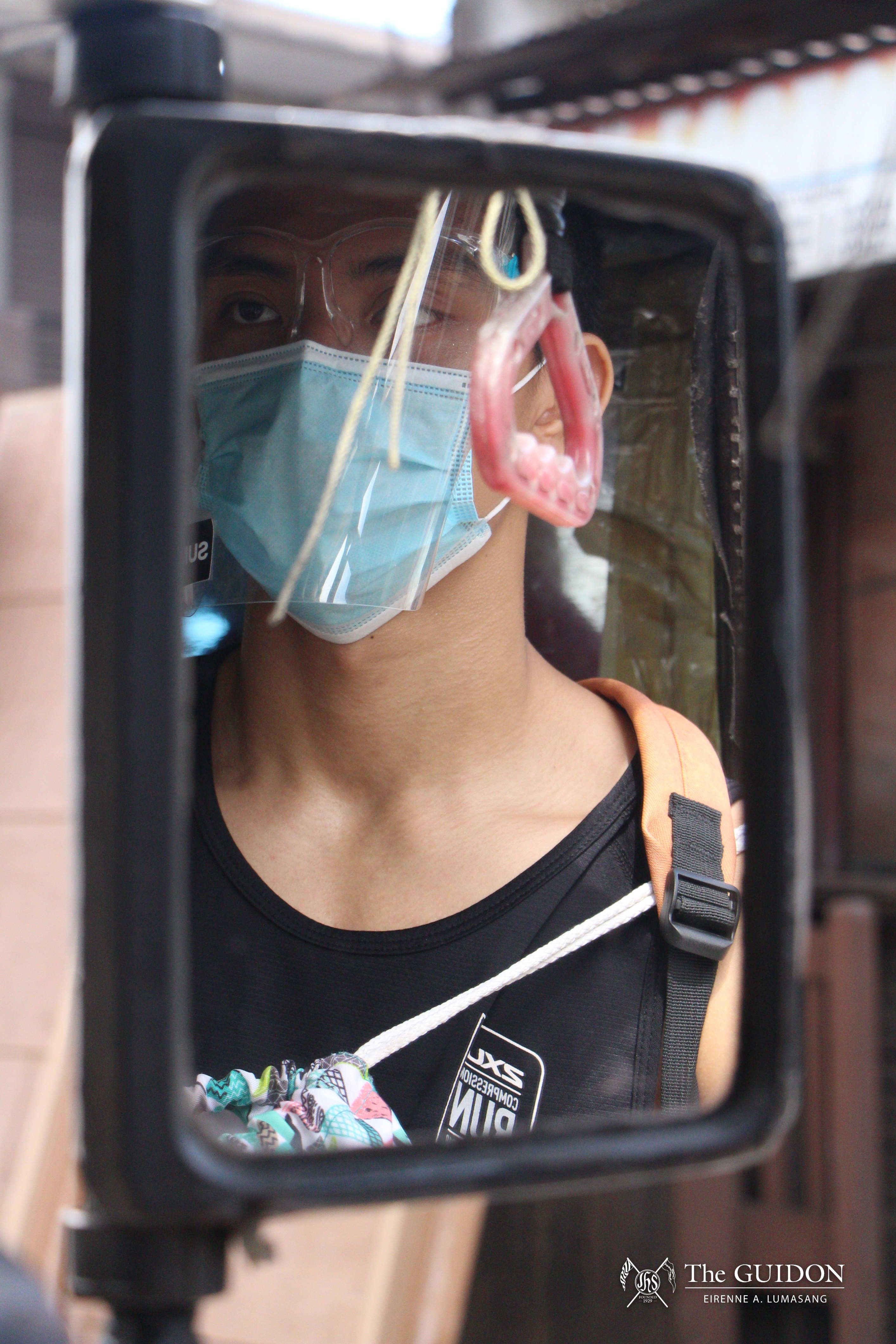
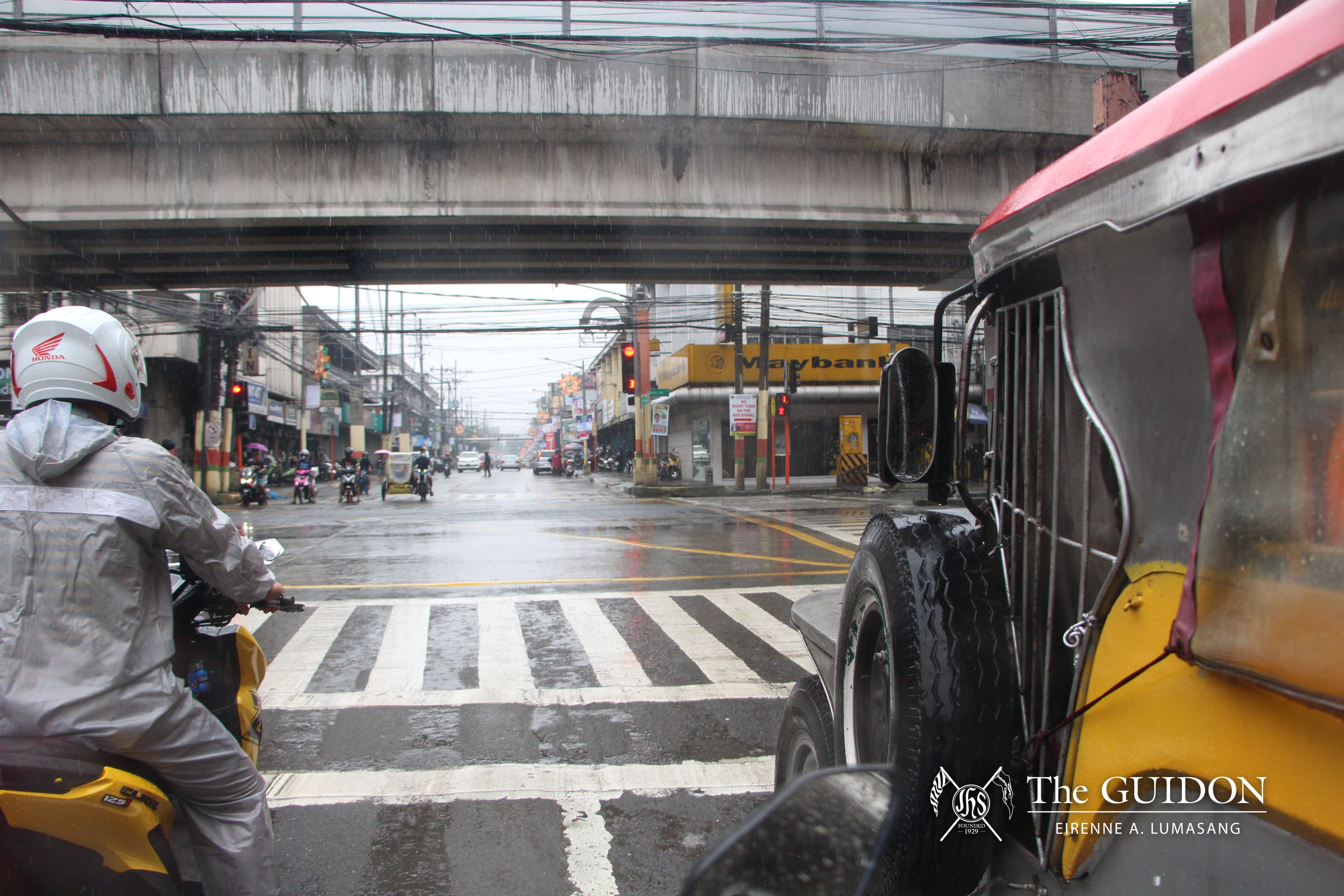
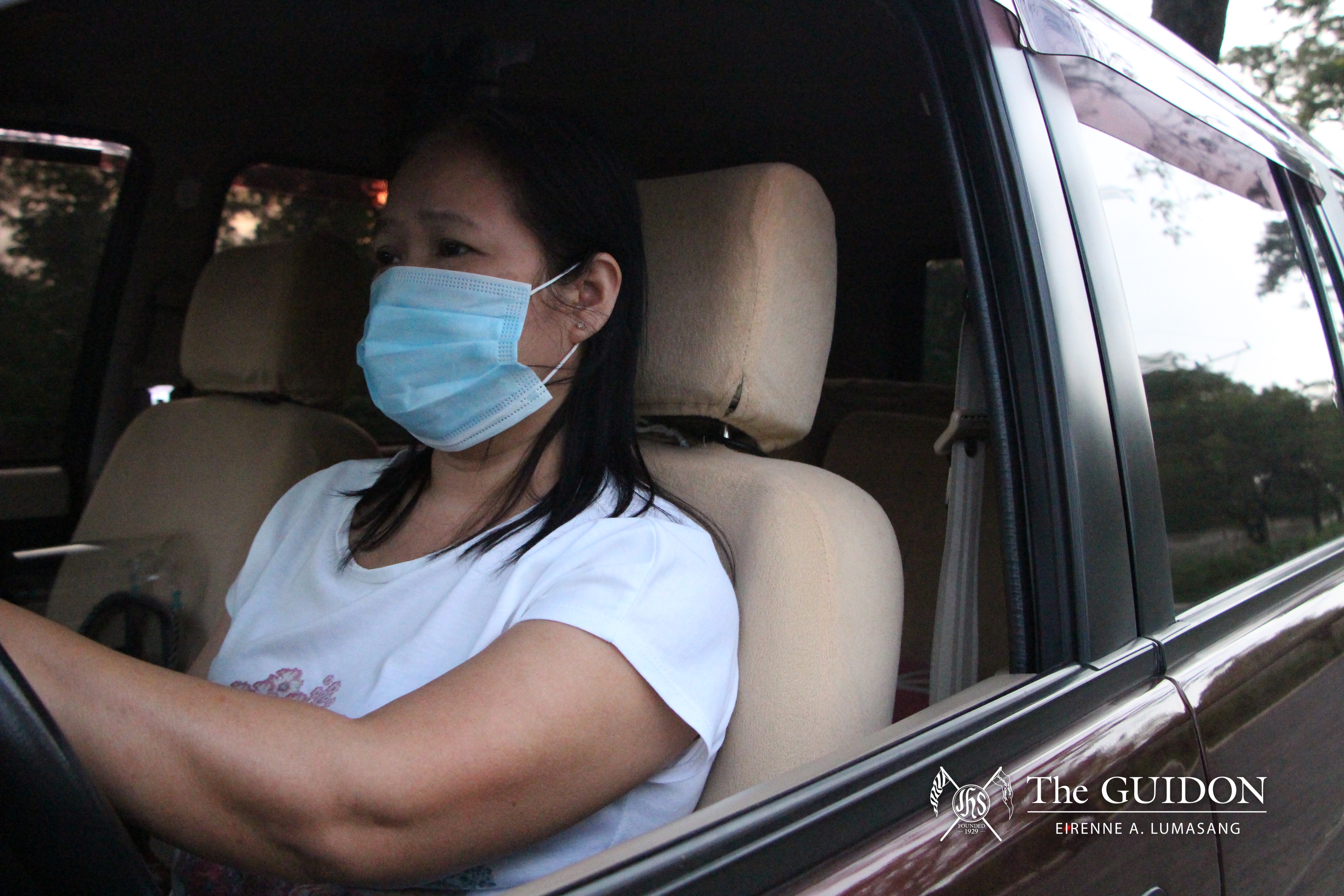
As the country eases its restrictions, more people are heading out through private vehicles.
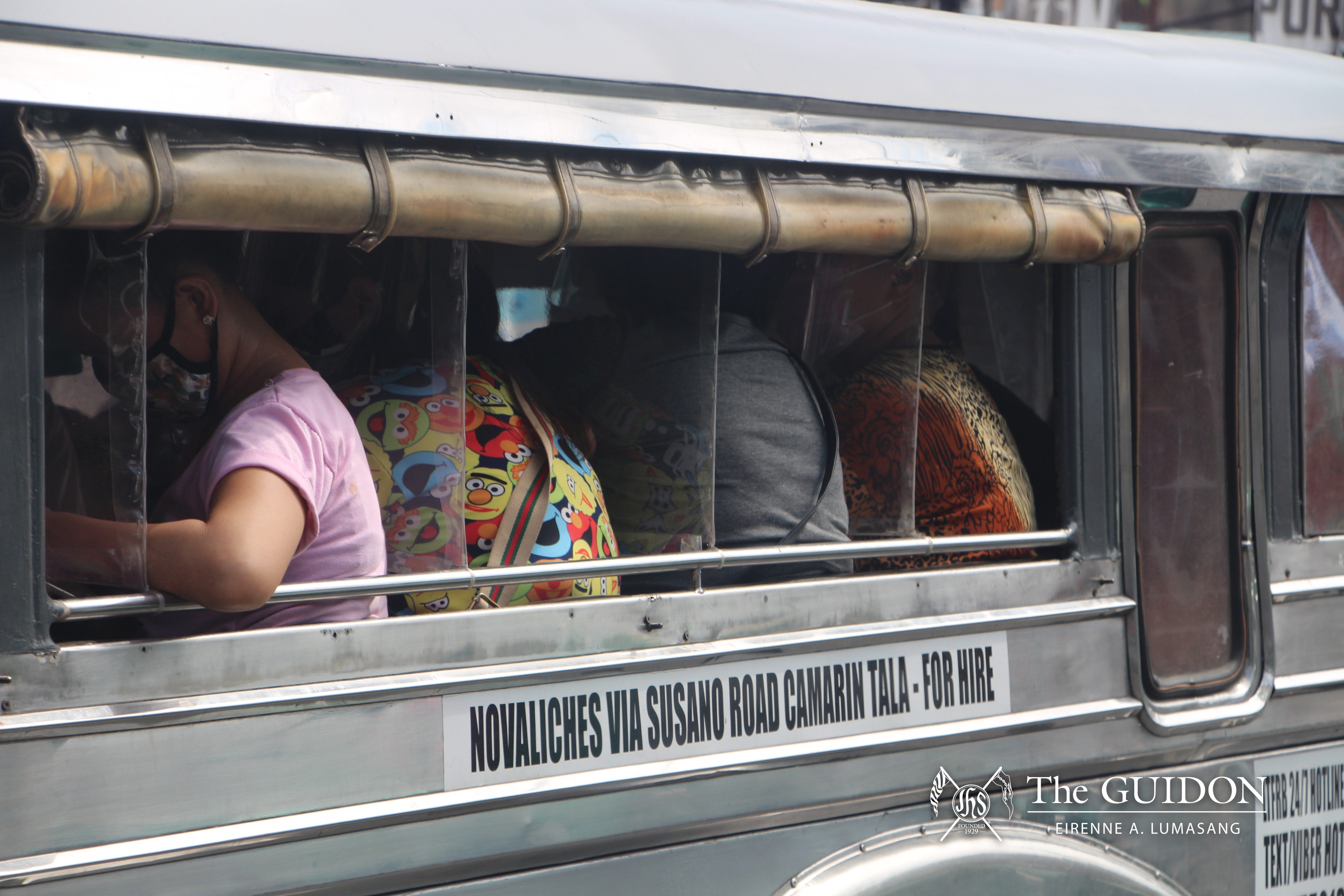
However, not everyone has the luxury of owning a car. Thus, people have no choice but to take public transport. While taking public transportation is a must for some despite the high risk of infection, the jeepneys have adapted to the “new normal.” Seats are parted by clear plastic cover to ensure social distancing and to reduce the risk of contracting the virus while commuting.
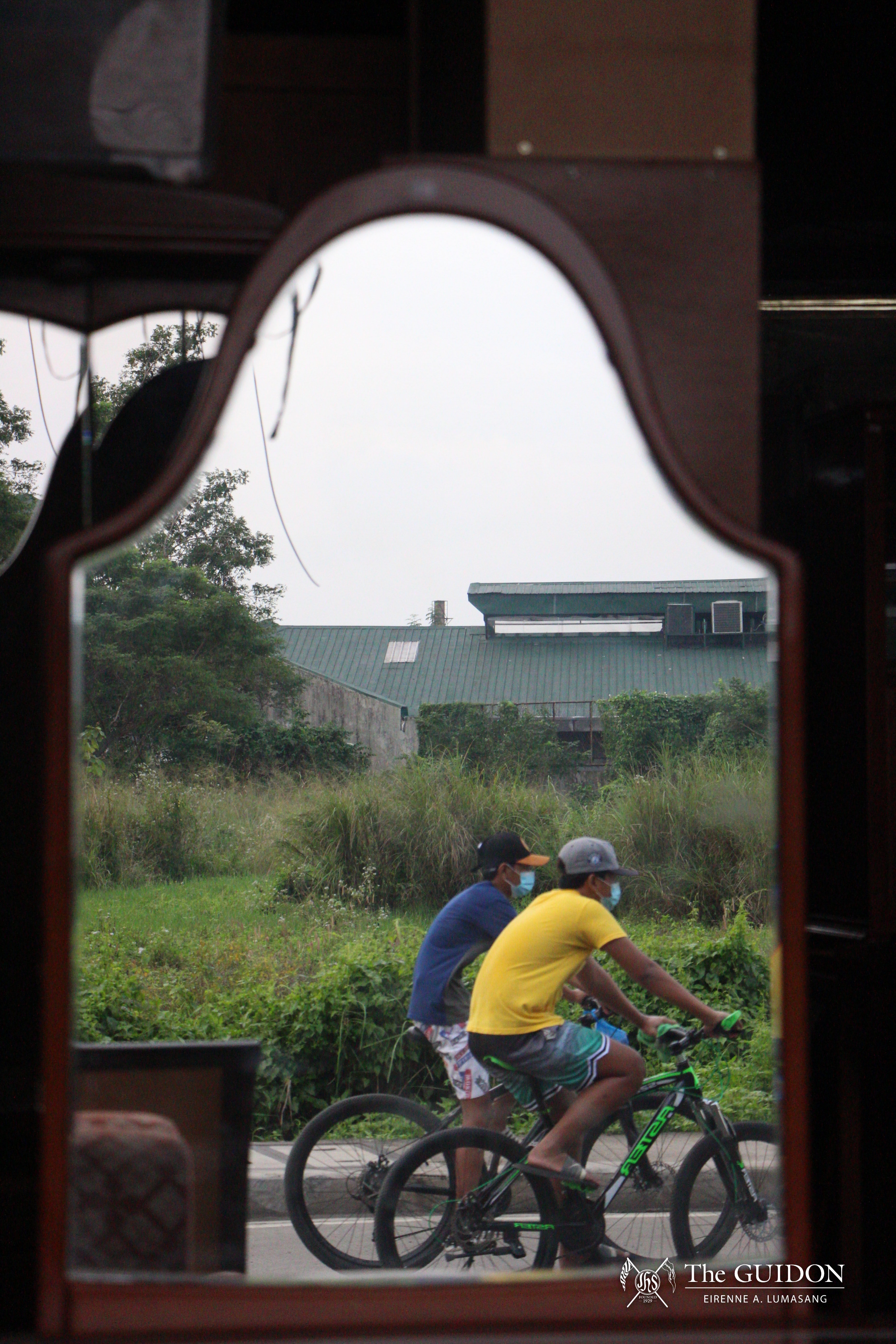
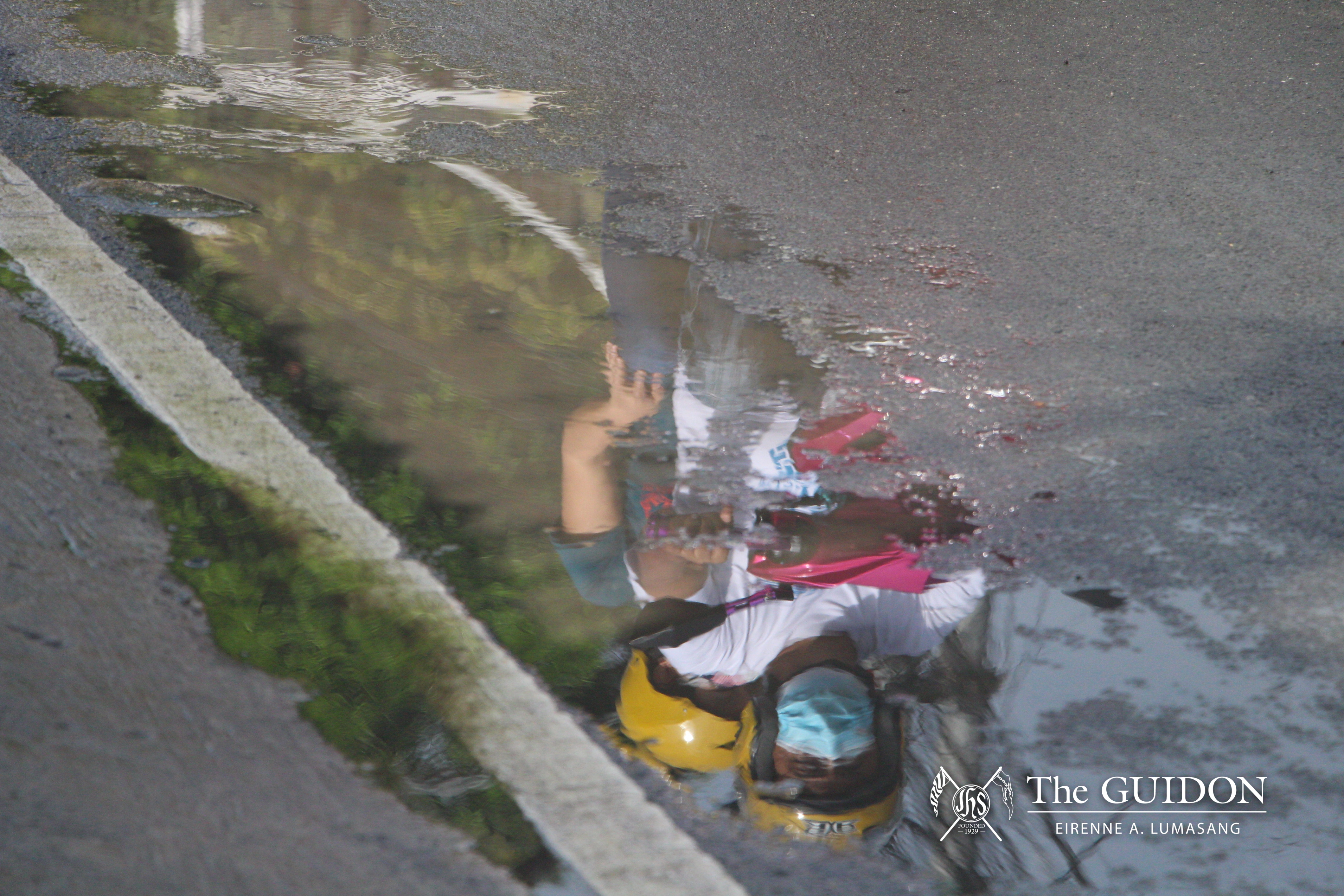
As pandemic conditions restricted the operation of public transport services, bicycles and motorcycles emerged as other affordable forms of transportation used for both errand-running and leisure purposes. However, pothole-riddled roads and sidewalks filled with street vendors posed as a challenge to bicycle commuters.
While the government has been gradually easing restrictions on public transit in Metro Manila since June, other commuters remain hooked on cycling. This prompted the Department of Transportation to announce its plan to install a 400-mile bike lane network in Metro Manila, Cebu, and Davao as part of its pandemic recovery plan—financed under the Bayanihan to Recover As One Act.
Safer trips outdoors for Caloocan residents are now made possible, as they are encouraged to pre-register online for free vaccines. This comes after the Caloocan City government announced its recent deal to procure AstraZeneca vaccines in advance.