Underpowered

DESPITE COMMERCIAL energy demand drops in 2020 and repeated attempts at industry reform, many Filipinos still live without an effordable and reliable source of power. Two decades have passed since the passage of the Electric Power Industry Reform Act of 2001 (EPIRA), but power shortages are expected to persist well into the latter half of the decade in some regions. The limitations caused by unreliable power is further aggravated by work-from-home arrangements and the current recession. This comes as the energy sector continues to grapple with the energy demands of the new normal.

While energy security remains elusive in some parts of the country, households from regions suffering from energy insecurity find themselves at a disadvantage to those energy secure. To help struggling households and businesses amid the recession, the government is now pushing to re-open businesses, a move which may see an uptick in electricity demand.
The Philippines’ ever-changing electricity requirements has further strained the power industry that is now struggling to expand in pandemic conditions. As the country faces new demands from the “new normal,” those that live in energy-insecure areas—particularly rural regions—are disadvantaged compared to urban-based citizens.

Unplugged
Ethan Cortez* is a college student living in the National Capital Region, an energy secure area. He rarely experiences power interruptions and his normal routine is drastically different from those who face the absence of electricity regularly.

With no threat of early power interruptions, Cortez usually wakes up at 11:00 AM and immediately checks his phone. He starts his day with breakfast while watching videos on his iPad. After breakfast, he greets his mother who is working in her home office before sitting in front of his computer, ready for the rest of the day.
Having stable power is vital to the productivity of a student, especially when undergoing online classes. Yet, people living in energy-insecure areas try their best to make their situation work, from maximizing the morning light for chores, to paying attention to the announcements from energy distributors on scheduled power interruptions.
Despite the best efforts of people who live in energy-insecure areas to mitigate their decreased productivity, losing power in the morning still delays the entire day.
The routines of college students such as Pam Radaza, Juan Paolo Ignacio, and Primo Arbon Jr., are affected by power loss. Radaza and Ignacio both hail from Mindanao and live in Butuan City and Malaybalay City, respectively. Meanwhile, Arbon Jr. is from Dumaguete City in Negros Oriental. Despite living in different regions, they share similar experiences with energy insecurity.


At the start of each day, preparations are at hand due to a possible power interruption, which may or may not be announced. At 8:00 AM, Ignacio often wakes up early to assist with the morning chores. He ensures that his gadgets are charged and the possible lack of internet access is covered through cellular data. “I do all my chores in the morning and during the day so that I don’t get power outages at night,” he said.
Arbon Jr., on the other hand, looks ahead of his responsibilities and duties by considering alternatives and preparing contingencies the night before. Cooking is one of those duties. “If you cook at home with the use of a rice cooker, then, as a matter of contingency, you should have, or be able to finish cooking anything with your gas range.”
Similarly, Radaza feels the need to anticipate power interruptions. However, she believes that the need for preparation also stems from anxiety.
“That paranoia—always charging the powerbanks in case of brownout. You know just having to save all the files—all the upcoming reminders of videos,” she said.

Moreover, Radaza is not the only person in her household that is affected by the energy insecurity in her region, as her mother still goes to the office for reliable internet and electricity.
Loading Screen

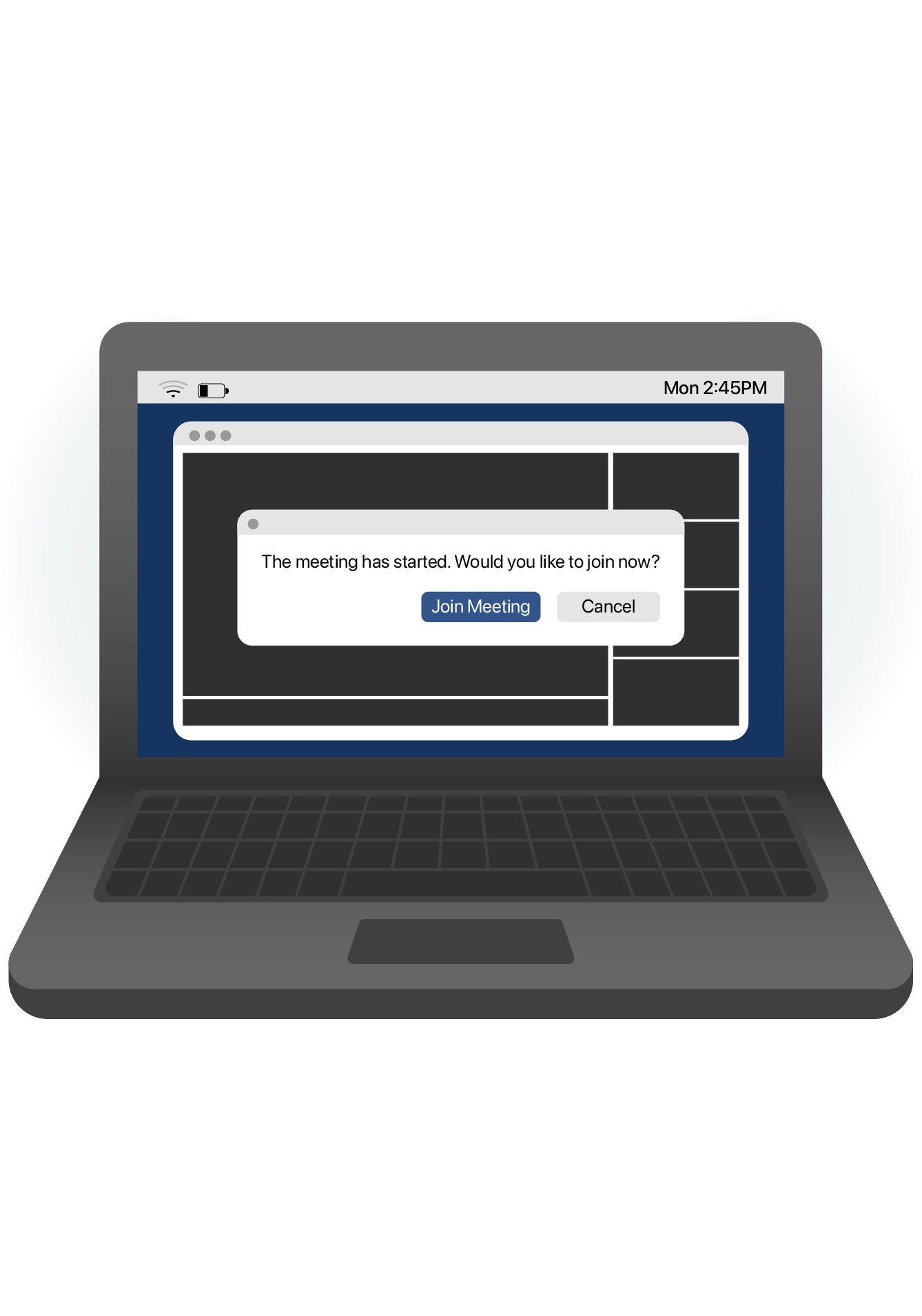
The afternoon is often reserved for the students to entertain class synchronous sessions and extracurricular meetings. Radaza and Cortez are both waiting for a synchronous class held through video conferencing at 3:00 PM.
Cortez attempts to enter his online class right before it begins.
Cortez was able to sit through and participate throughout the class. Beyond his academic life, Cortez is active in seven student organizations and works for a government agency.
Radaza tries to enter the video call early at 2:45 PM on her laptop to account for her slow internet.
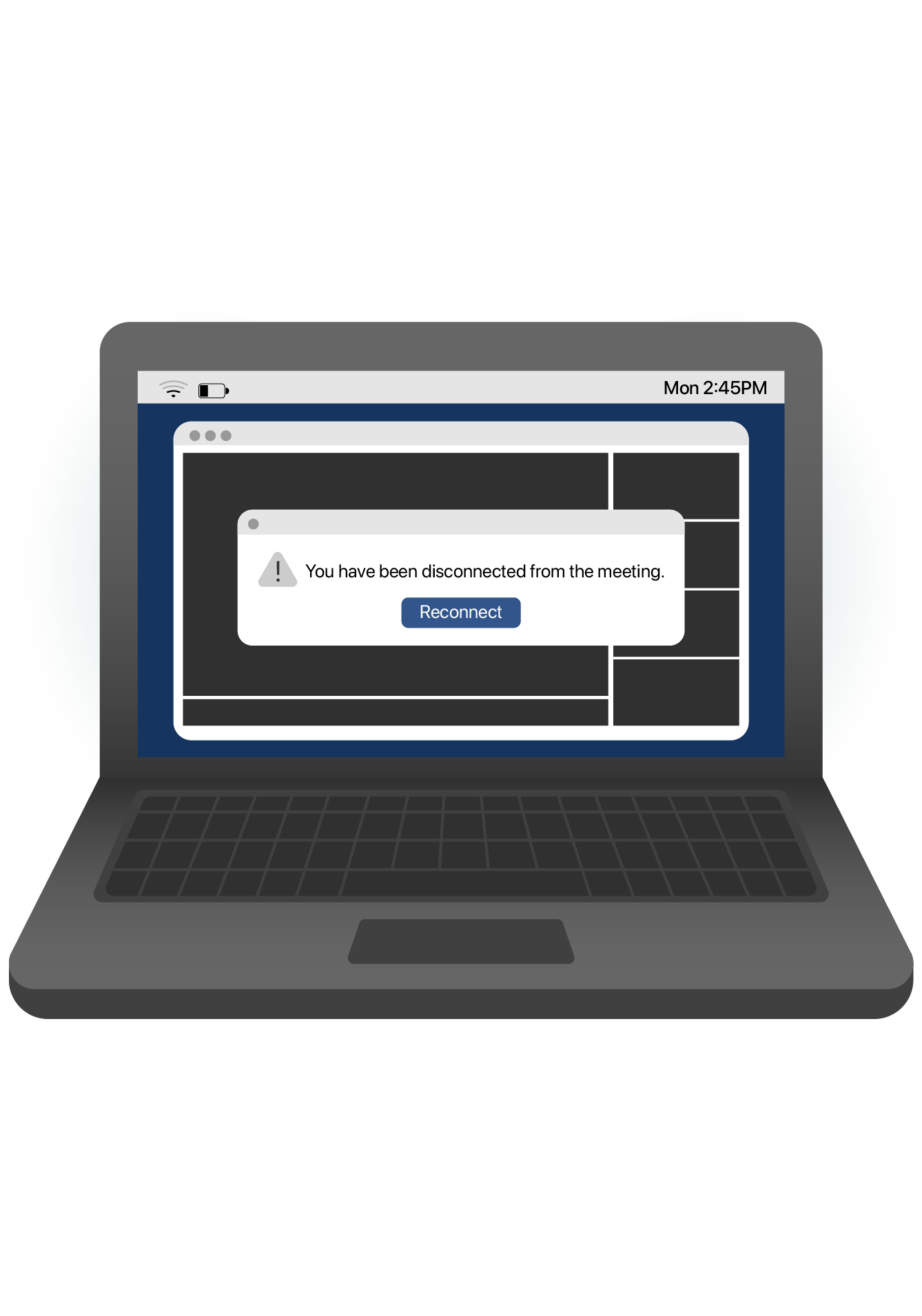
Despite being early for her online class, a sudden power outage occurs at 3:15 PM. “I was there 10 minutes earlier but it wouldn’t connect at all. Usually the connection is like, strong when everyone is asleep,” Radaza lamented.
The power eventually returned shortly, allowing her to reconnect at 3:50 PM, but most of the time allotted for the class had already transpired. Radaza’s frustration extends even into her extracurricular activities. When she misses meetings for her student organizations, she wonders whether she is a burden to the people she is working with.

"It sounds really embarrassing but it feels like I am a burden to other people especially when it’s with an organization kasi… Why did I sign up for this when I can’t really do my responsibilities because of the context and you know, my situation?" Radaza shared.
Students like Radaza and Ignacio are resigned to the constant power interruptions, as they have been there their entire lives. It is difficult to find solutions for power interruptions because a lot of the options, such as buying a generator, are expensive. Instead, they try to invest in better internet connection for online classes since it is easier to control.

Pitch black

Although power interruptions during the day are bothersome and inconvenient in their own right, it is not difficult to imagine how much more strenuous it would be to complete one’s duties during the night. The reality of accomplishing tasks without light or electricity is a situation that students from energy-insecure areas have to invariably face.
By evening, the last rays of sunlight fade as day yields to night and the world begins to wind down. At approximately 7:15 PM, all of the students are preparing for dinner when an unexpected power outage occurs.
Cortez rummages for a candle and some matches.
One would think an individual from an area with energy security would be better prepared for these situations, but a constant and reliable stream of power can potentially breed complacency.
“Apparently, I don’t have flashlights,” he reflected.
At 8:30 PM, Cortez’s power returns after roughly an hour and he resumes with his work. The other two, however, still remain in relative darkness.

Where Cortez lives in Metro Manila, most power is sourced from coal-fueled plants but generally pulls from different power sources like oil, solar, and natural gas. Because of the number and diversity of power plants, his locality is sufficiently supplied with electricity.
On the other hand, Arbon Jr. is able to continue his meal with a flashlight in hand. However, without electricity, his family’s rice cooker is rendered useless and all other cooking must be finished using a gas range if one is available.
Power outages take longer to fix in energy insecure areas and, at times, can occur long throughout the night. Arbon Jr. recalled that power interruptions can occur at any time—be it dawn, dusk, or in between.
Meanwhile, Arbon Jr.’s hometown—Dumaguete City—sources most of its electricity from geothermal and solar energy. Although mostly clean, the energy output from the nearby power plants is sometimes insufficient and are subject to changes in weather. Recently, the Negros Oriental II Electric Cooperative has been running on a daily power deficit.
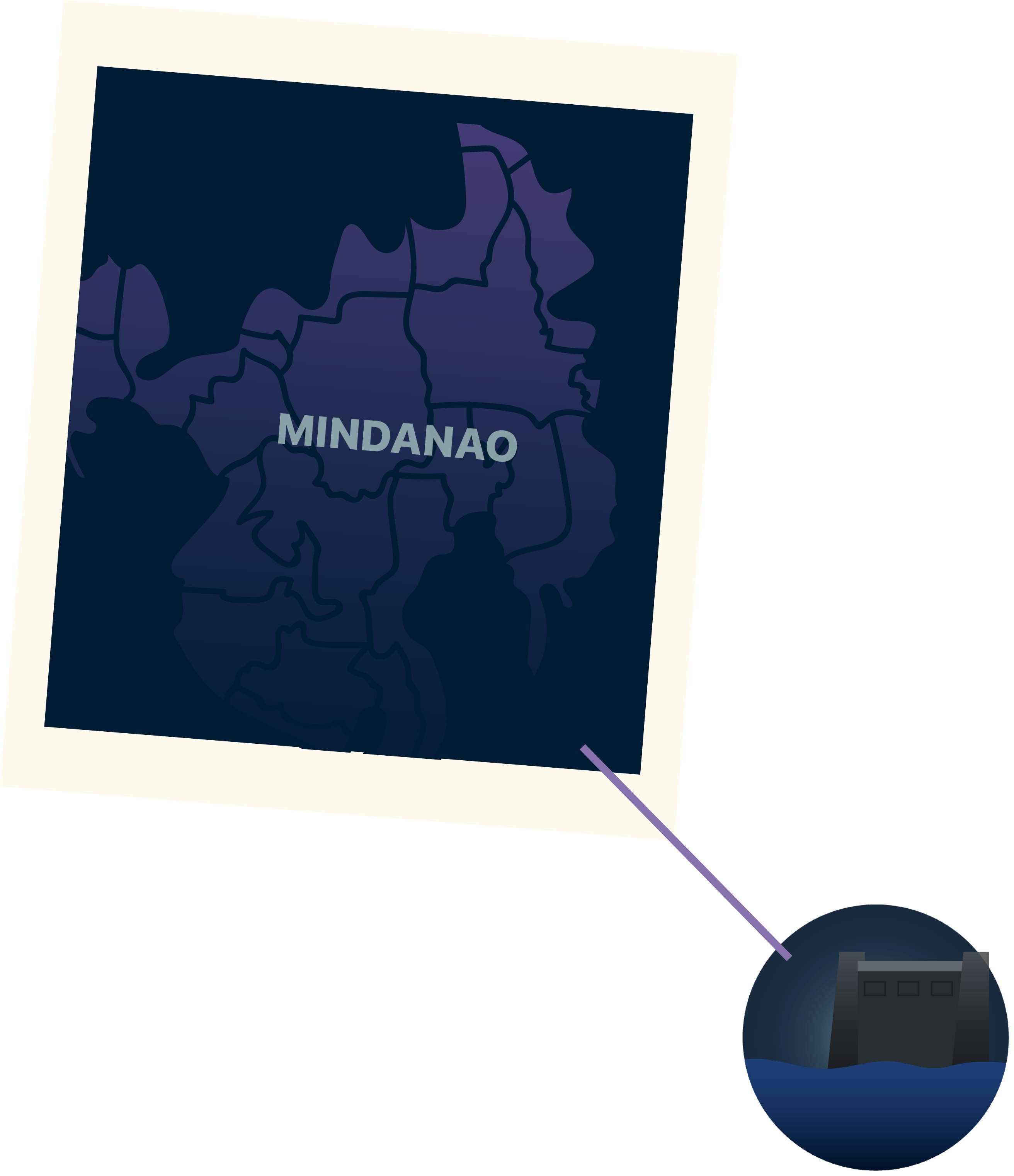
In Mindanao, where Ignacio and Radaza reside, the Agus and Pulanggi hydroelectric power plants supply more than half of the region’s total electricity requirements. These hydroelectric power plants are likewise subject to weather conditions—particularly during the dry season—and their output, therefore, is seasonal. In 2015, water levels for both power plants reached critical levels, resulting in lowered power supply in Mindanao.
Given their finite nature, renewable energy facilities dominating areas such as Arbon Jr.’s are not as efficient in producing energy compared to their non-renewable counterparts. While non-renewable facilities are reliable, they are not without cost to the environment.
Despite the contrast in their experiences, all of the students nonetheless are able to work on their online modules almost unimpeded.
Ignacio shared that studying is easier compared to other activities at night since his devices generate their own light—granted they were charged and online data was purchased beforehand. However, this still does not compare to having electricity that is stable enough to keep these devices constantly powered and connected to a WiFi router.
Go haywire

These uncertainties—borne from power outages—naturally and adversely affect students’ productivity and even anxiety levels. Fluctuating electricity and accessibility make it difficult to keep attention and momentum rolling, arguably robbing students of the satisfaction and gratification of accomplishing work they may even love doing.
Power outages, then, not only deal heavy blows to one’s academic life, but also mental wellness. However, beyond challenges to mental health, physical illnesses have also affected the students in energy insecure households.

At 1:10 AM Cortez is, if not fast asleep, presumably winding down to do so. With no threat of future power interruptions in sight, he sees no need to sacrifice his sleep and health for the academic responsibilities he can revisit tomorrow.
After five minutes of scrolling through his phone once more, he turns off the lights and calls it a day.
As the clock strikes 1:00 AM, it is not uncommon to see that the students of the energy insecure households are still working without power as they are glued to their devices answering online modules.
Because of the need to utilize daylight to accomplish household chores, regularly studying late into the night and the lack of electricity eventually take their toll on the body. All three students have noted irregular sleep patterns as well as declining health.
For Arbon Jr., the lack of electricity in the evening can lead to unnecessary perspiration, which in turn may eventually lead to untoward pulmonary ailments.
On the other hand, Radaza recognized that studying often means compromising her health.

She says, “I don’t want to push my health just so I can get a better connection for myself.”
Ignacio echoes Radaza’s sentiments. He acknowledges the adverse risks and conditions that studying late into the night entails, but also understands that it is a necessary compromise.
“I’m on probation for scholarship...so I have to watch my grades,” he said.” “I can’t just easily sacrifice academics to adapt here at home, and I can’t sacrifice adapting at home for academics.”
However, this does not mean that either Radaza or Ignacio is ready to sacrifice their health entirely. Sustaining their health is still a priority, especially for Ignacio whose parents are at greater risk of contracting the virus.
Lighting the way

As each day starts anew, the rising sun will restart the students’ daily routines—one uninterrupted, the others inconvenienced by poor signal and unreliable power. In response to this year’s expected service interruptions, Department of Energy (DOE) officials urged households and government agencies to watch their power consumption.
Although one may be able to reduce consumption on a personal level, this alone might not be enough to reduce aggregate demand. Without stronger government support, the energy sector will continue to struggle in meeting the country’s energy needs. As of writing, the DOE is poised to approve new green energy projects to address the country’s ever-increasing power demands.
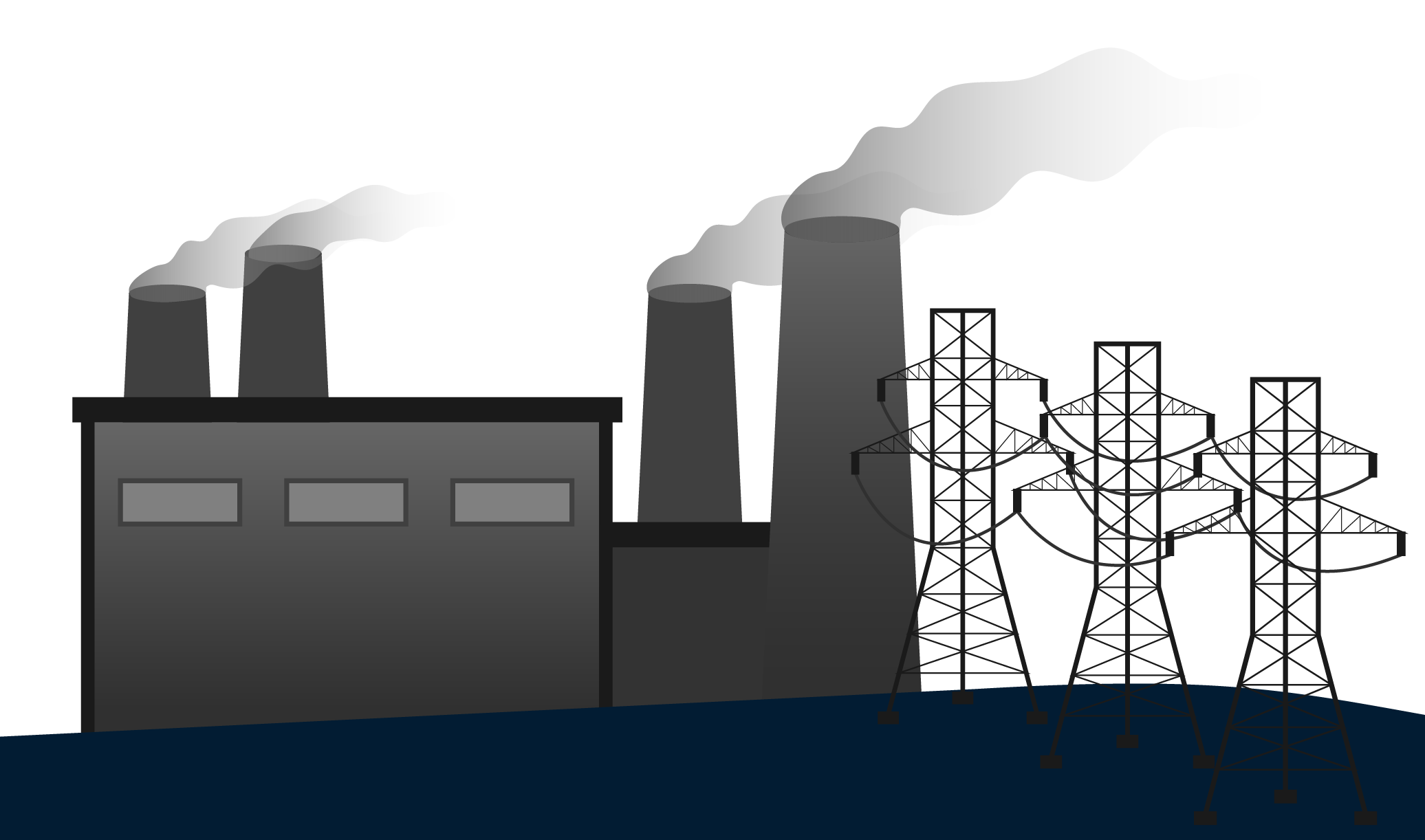
Adding to the new green energy projects, the DOE has laid out plans to upgrade power production and transmission infrastructure as part of the administration’s Build, Build, Build Program. These plans seeking to address the shortcomings of the power industry felt by regular people are often attributed to the country’s aging power plants.
In recent years, however, reduced public infrastructure spending due to slow economic growth has delayed many of these projects. With the National Grid Corporation of the Philippines, the DOE has attempted to compensate for the project backlogs caused by the COVID-19 pandemic through a “catch-up plan.” The new measures would include the resumption of energy production and transmission projects like the Butuan-Placer transmission line in the Caraga Administrative Region.
For people who live in energy insecure regions, the new energy projects offer hope, especially with the effects of power interruptions on individuals extending beyond matters of economics. Unstable power incurs costs to one’s home life, academic performance, as well as mental and physical health.
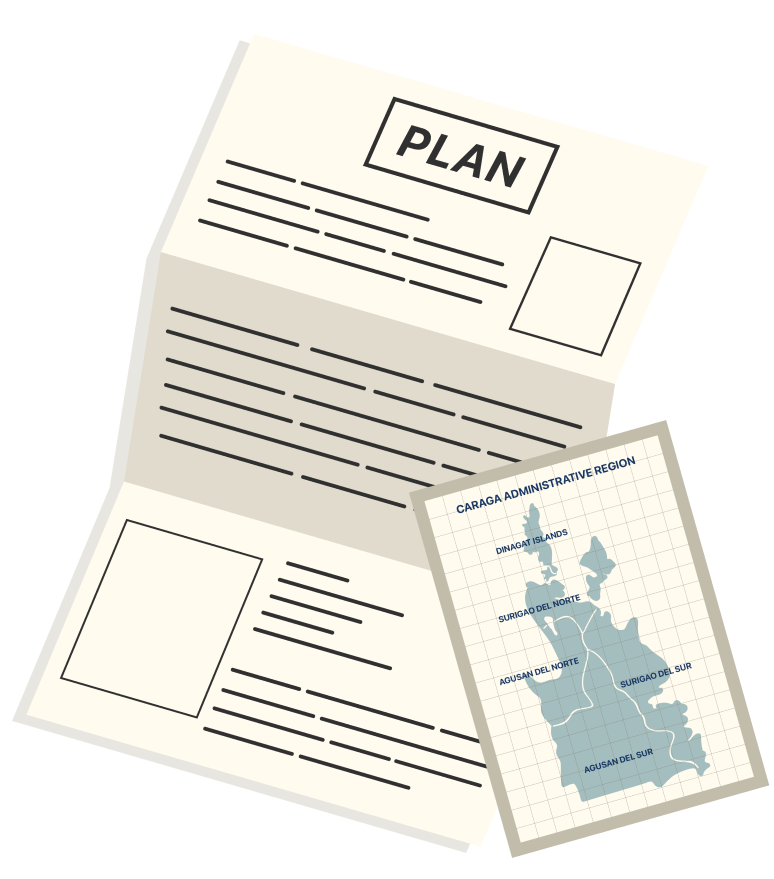
People like Cortez who live with a stable source of electricity have clear advantages over those who do not. Regions like Northern Mindanao, Caraga, Eastern, and Central Visayas face frequent outages from factors like inadequate power supply, weather disturbances, and high demand at peak hours. This situation is only exacerbated by the fact that more people work from home as a result of the pandemic.
The lack of reliable energy can limit peoples’ choices and disrupt schedules as people are often powerless in changing their local power situation. While energy insecurity remains an issue, industry innovation and government support for the energy sector are avenues that may help light the way to energy security and equity. Moving forward, the energy sector must adapt and improve power production and transmission infrastructure if they are to meet the needs of ordinary citizens like Radaza, Ignacio, and Arbon Jr.
*Editor’s Note: The name of an interviewee was changed upon their request to protect their identity and privacy.