
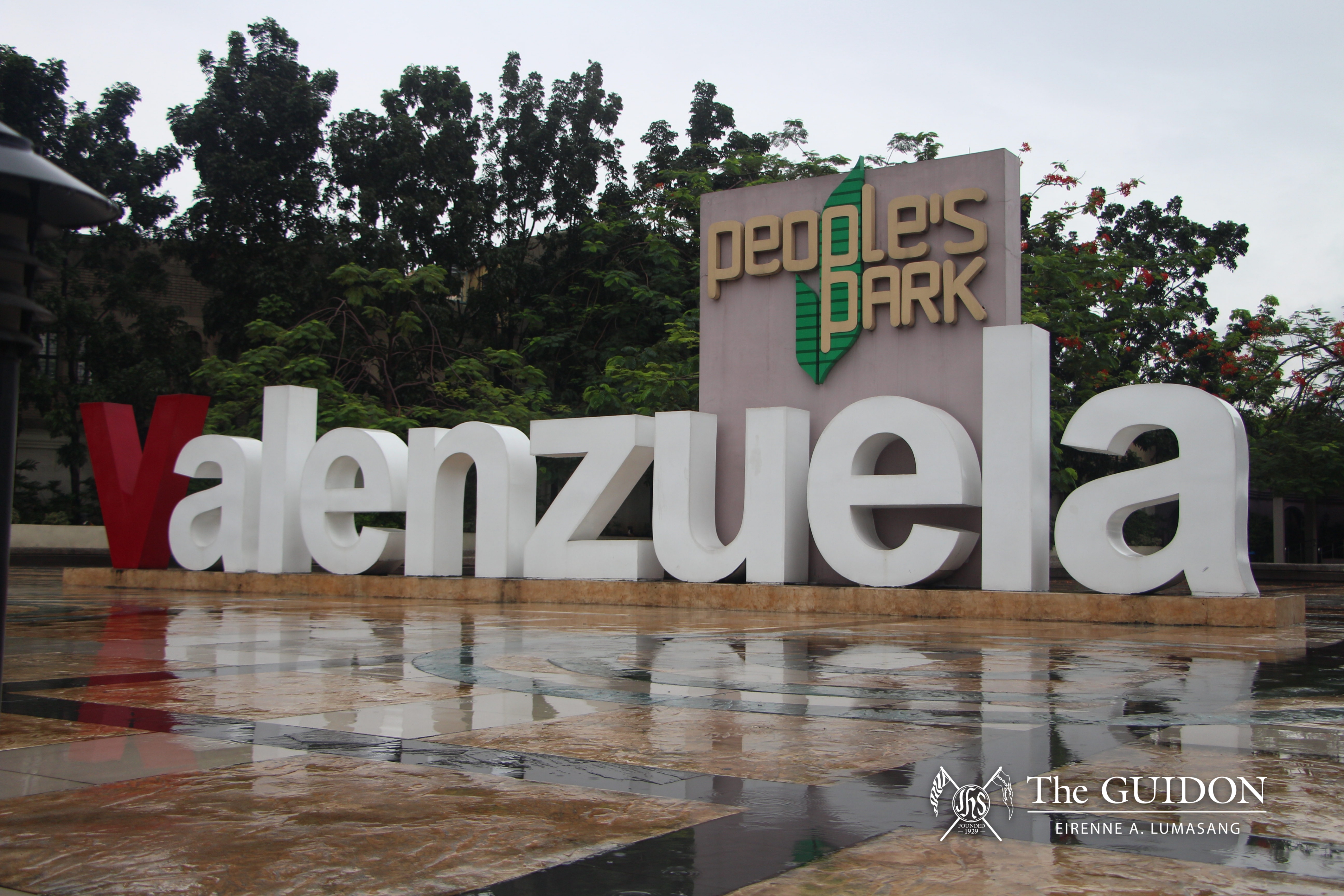
With several attractions that the historic city of Valenzuela has to offer, residents and visitors have been going in and out of the city during its pre-pandemic state. Although faced with restrictions that halt a city’s economic growth, Valenzuela remains afloat, being commended for having a “holistic and integrated” approach in dealing with the pandemic.
Valenzuela City has implemented the use of the Valenzuela Tracing Application (ValTrace), an automated contact tracing system that aims to terminate manual logging upon entering an establishment and to prevent further transmission of virus. Individuals can register through their phone or laptop and they will be provided with a unique ValTrace generated QR code, which they can either print or store in their devices.
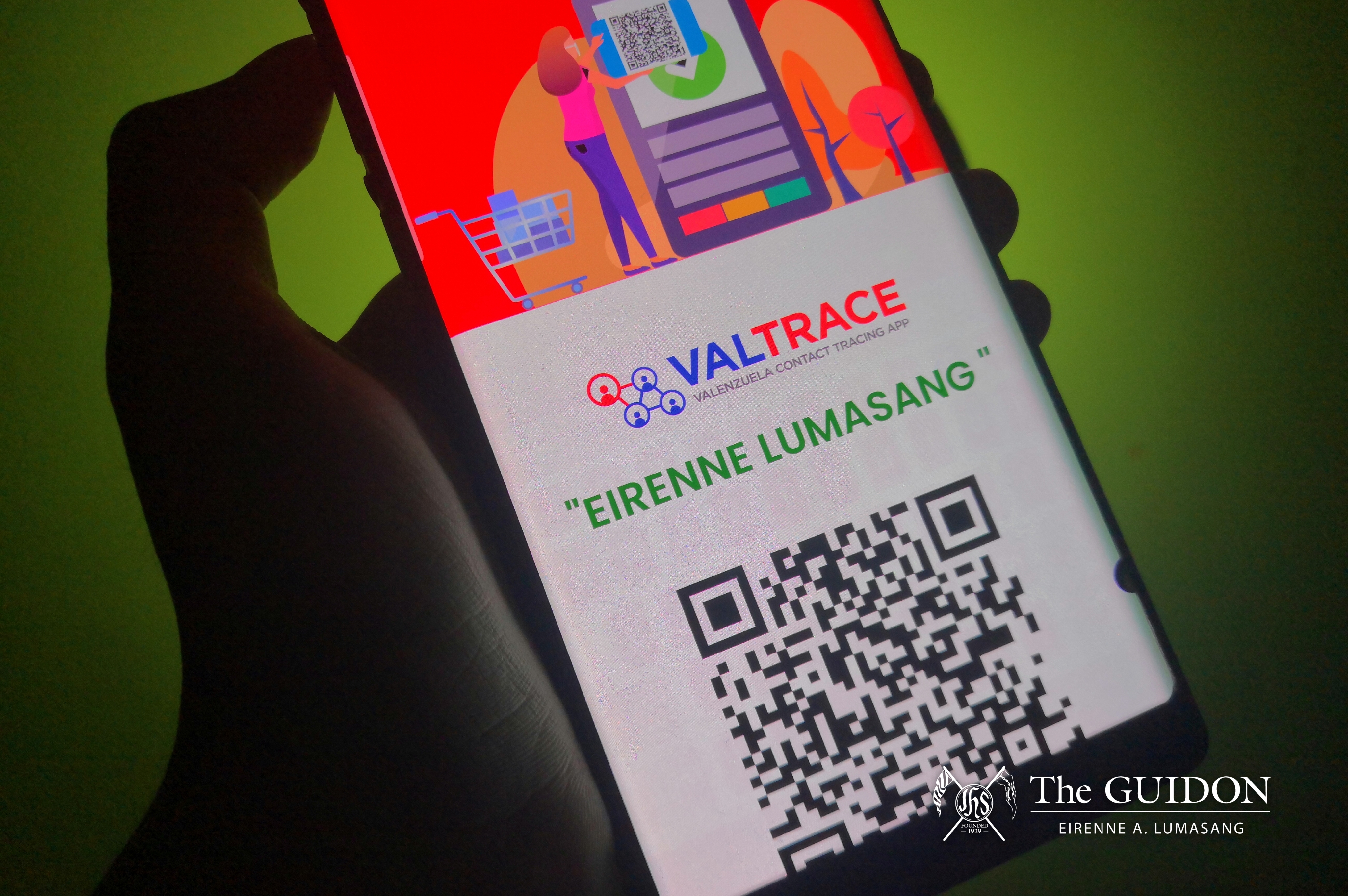
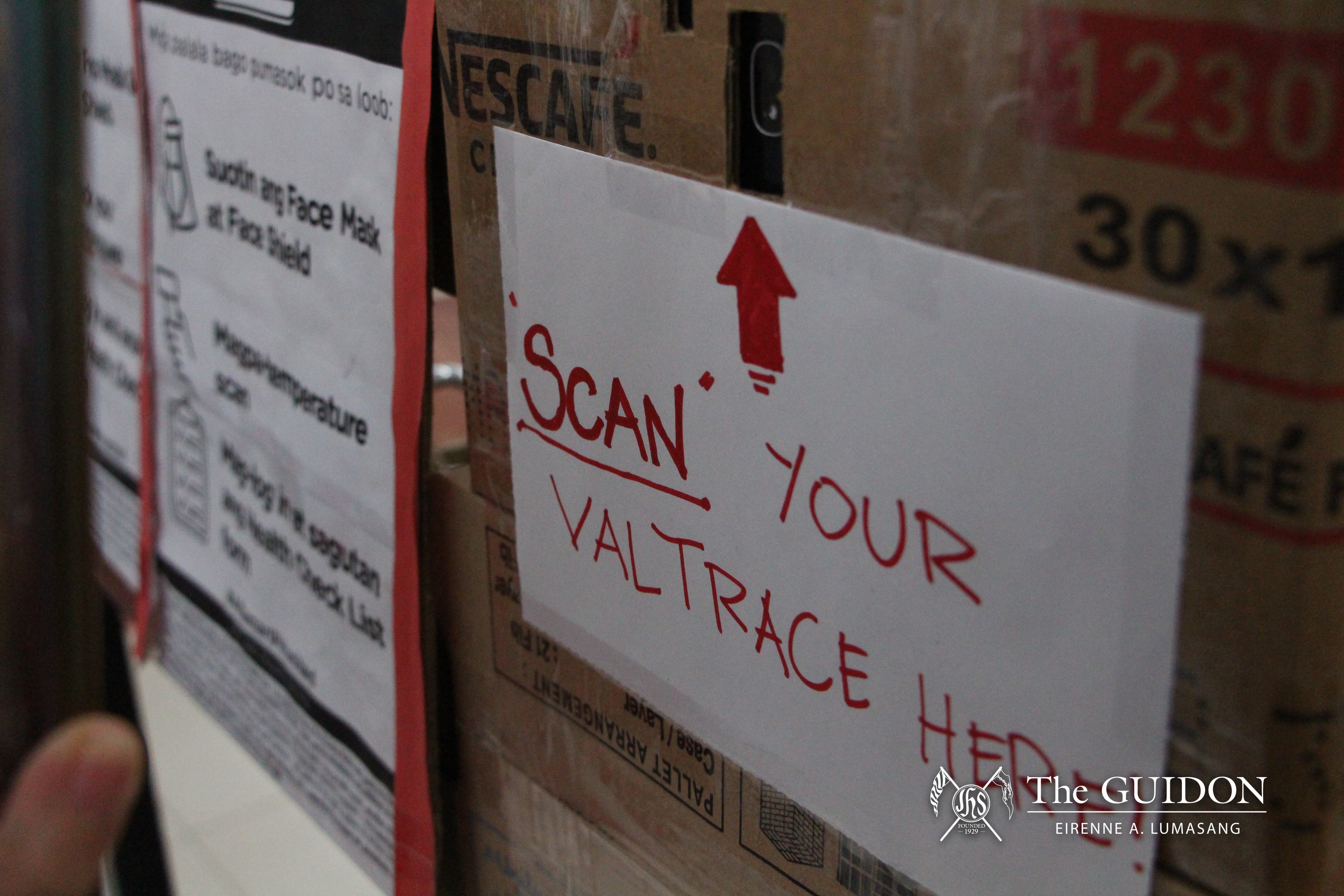
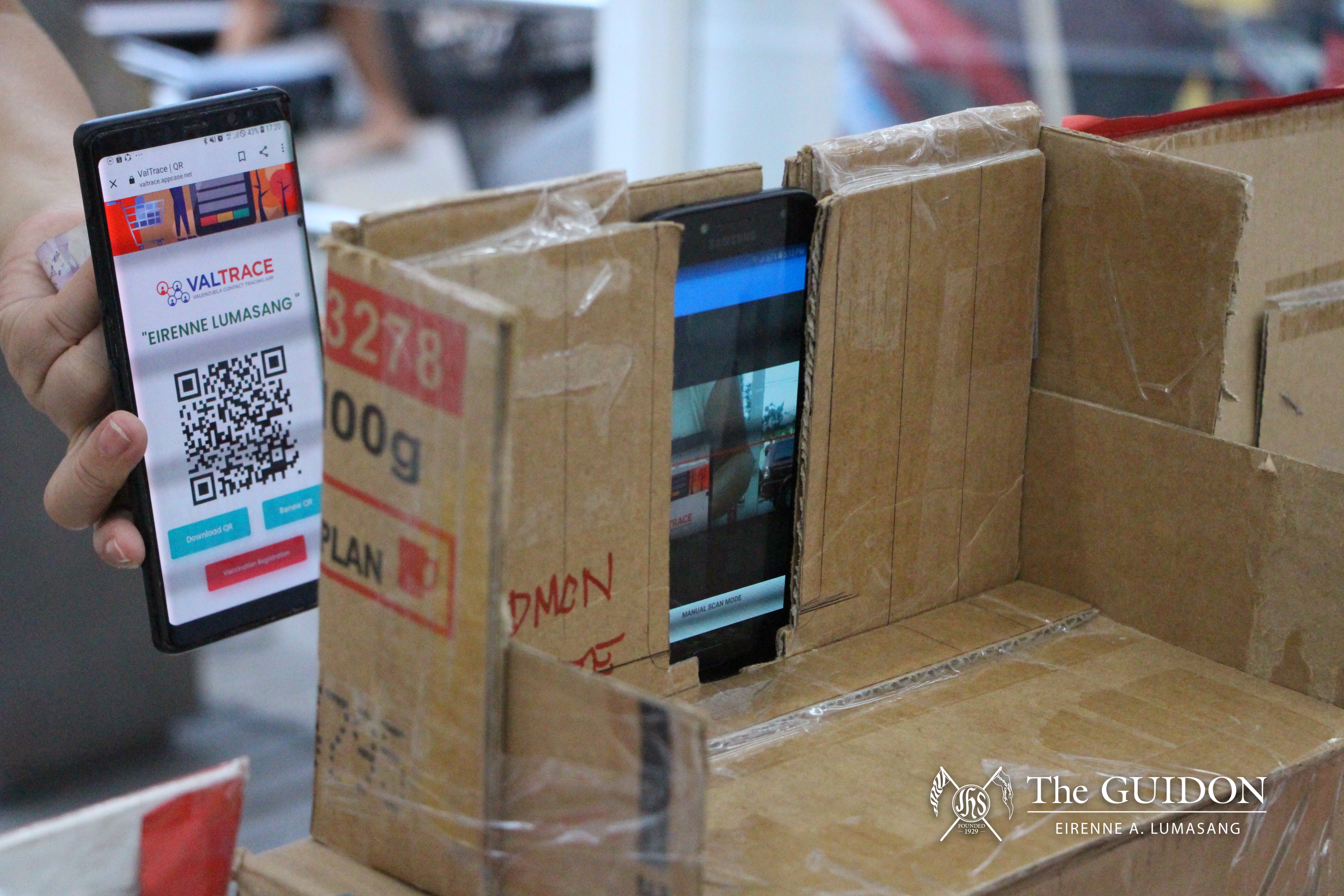
All enclosed indoor establishments and individuals in the city are required to register in the ValTrace application. Non-Valenzuela residents are also urged to register and download their own QR codes, as part of the city's "No QR Code, No Entry" policy on establishments.
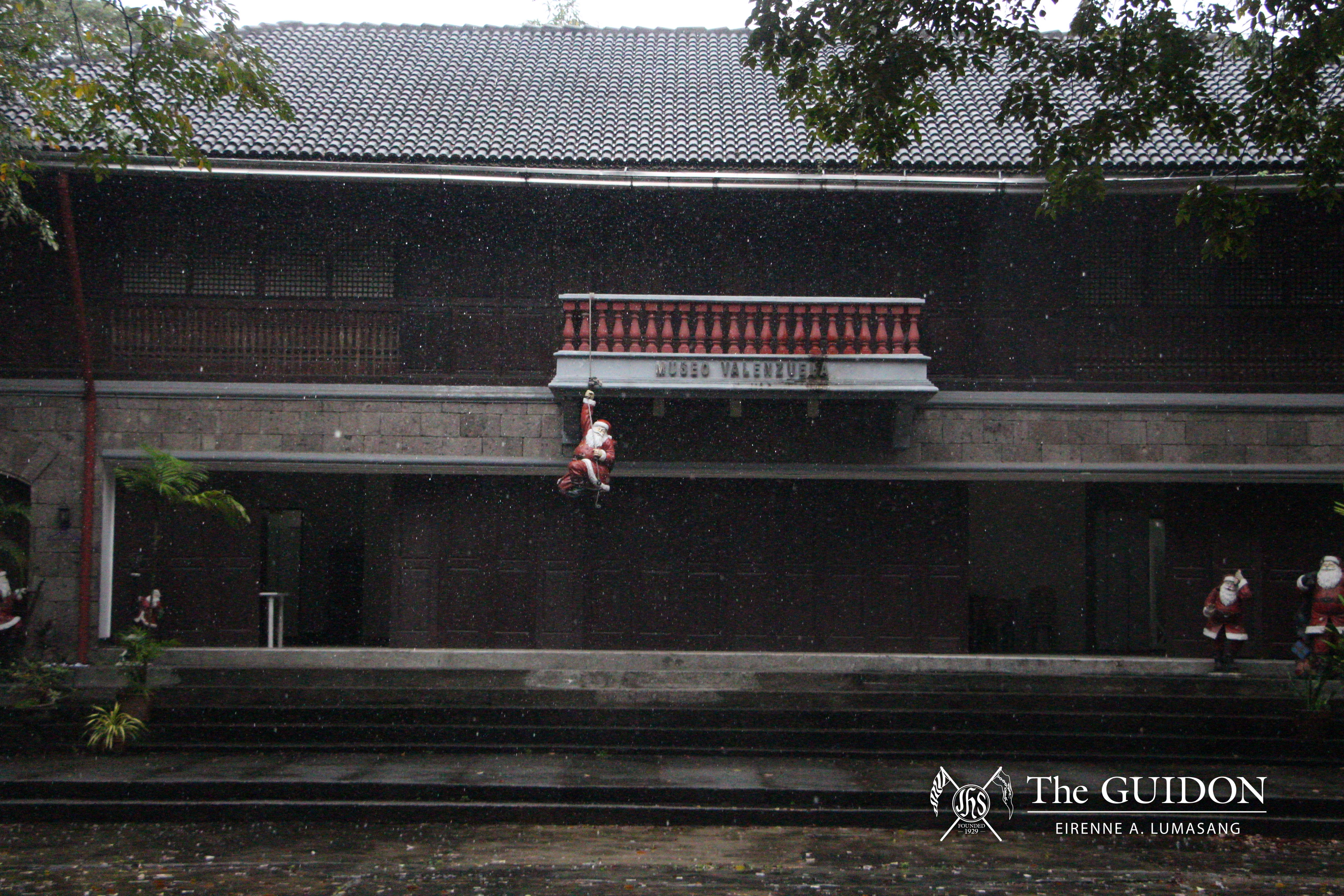
Preserving Valenzuela’s rich history is Museo Valenzuela, a venue for historical, cultural, and artistic events. It also gives the general public access to factual information on Dr. Pio Valenzuela, one of the great sons of Valenzuela who made significant contributions to the Katipunan revolutionary movement. However, the access to the museum is restricted due to community quarantine.
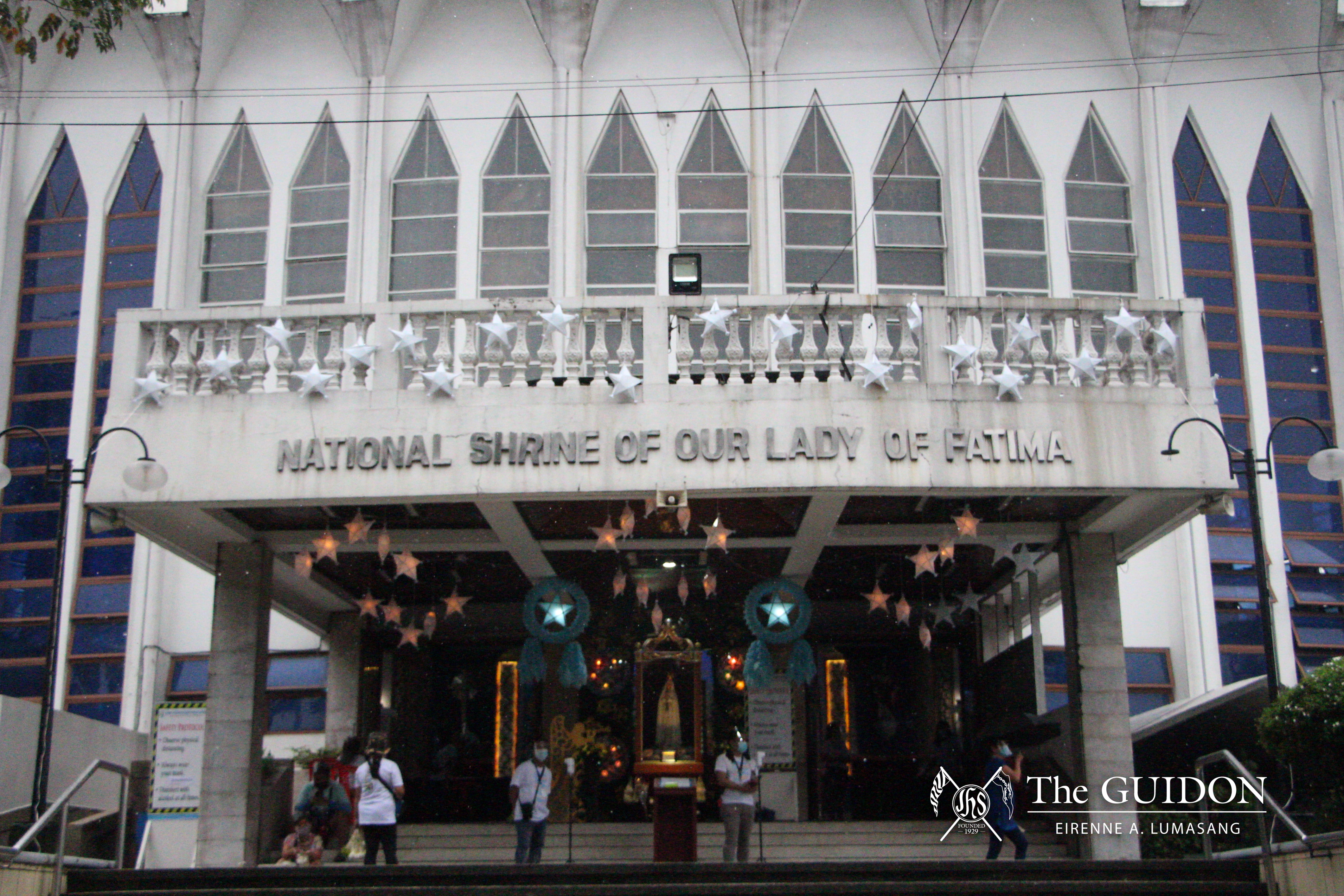
Beside Museo Valenzuela stands the National Shrine of Our Lady of Fatima. While only the number of people permitted inside are limited, parish goers are still encouraged to pay a visit provided that health safety protocols are followed. Among these measures are QR code scanning and temperature checks prior to entry.
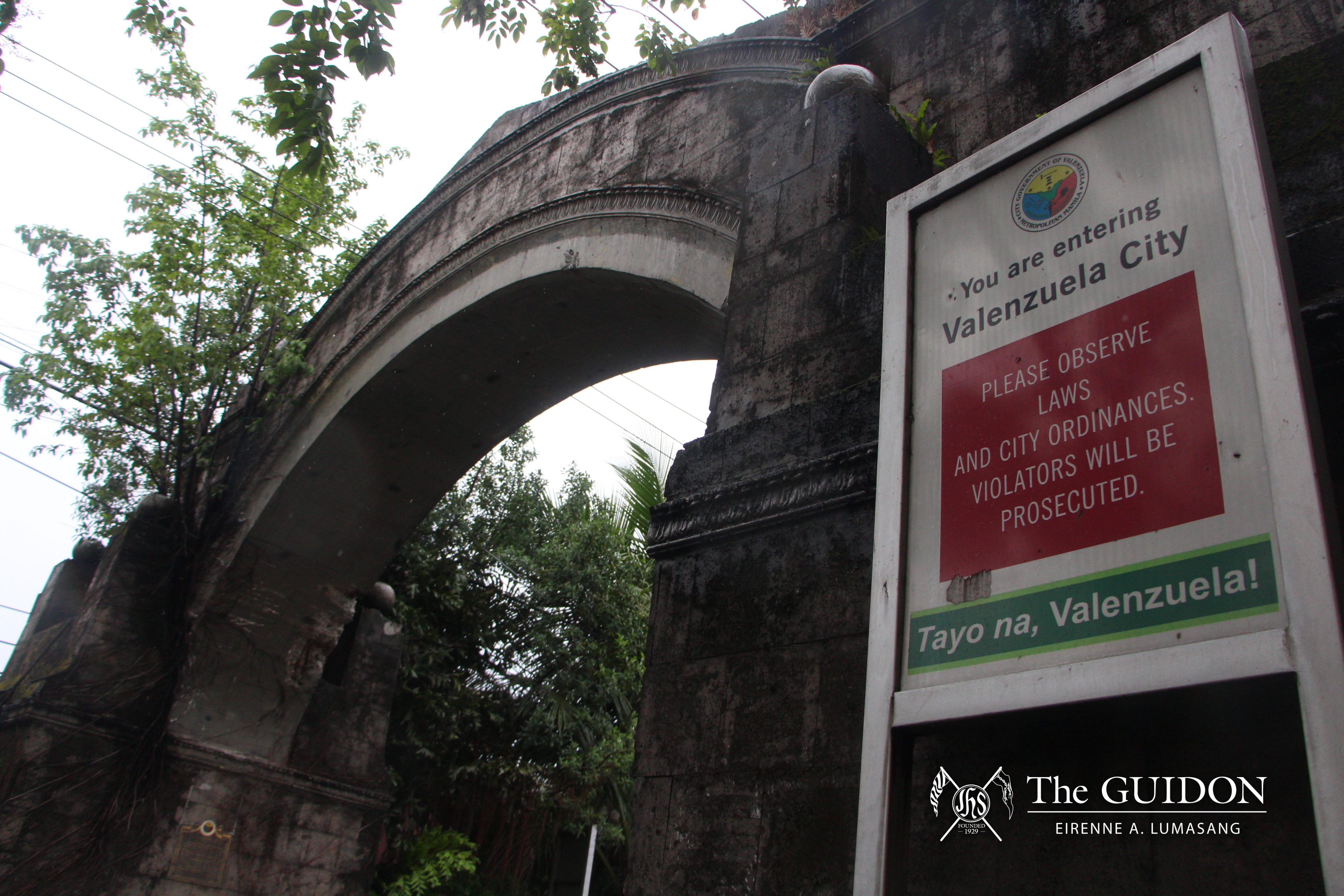
Arkong Bato, an American-built historical landmark who witnessed the flourishing city’s start since 1910, marks the boundary of Malabon and Valenzuela.
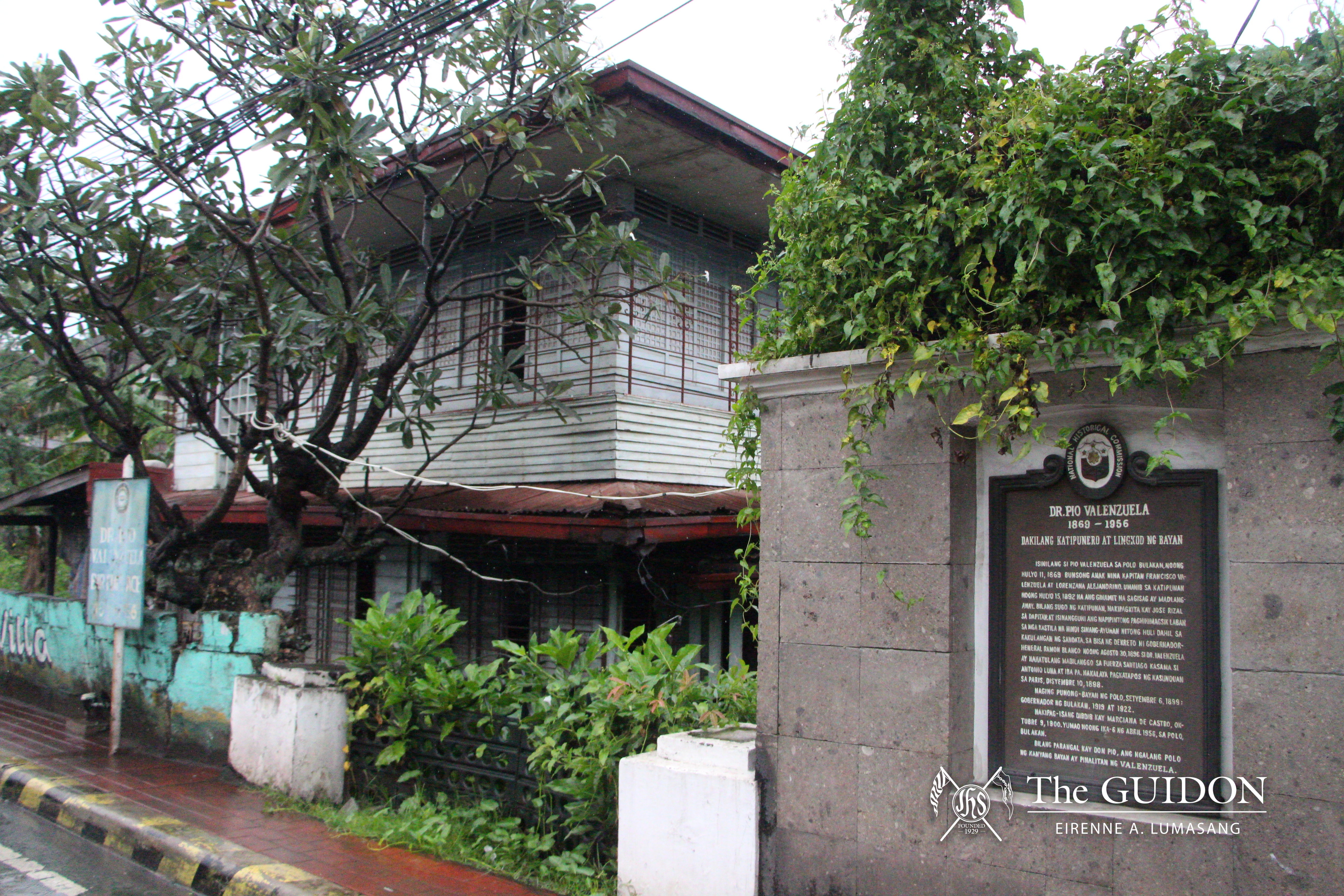
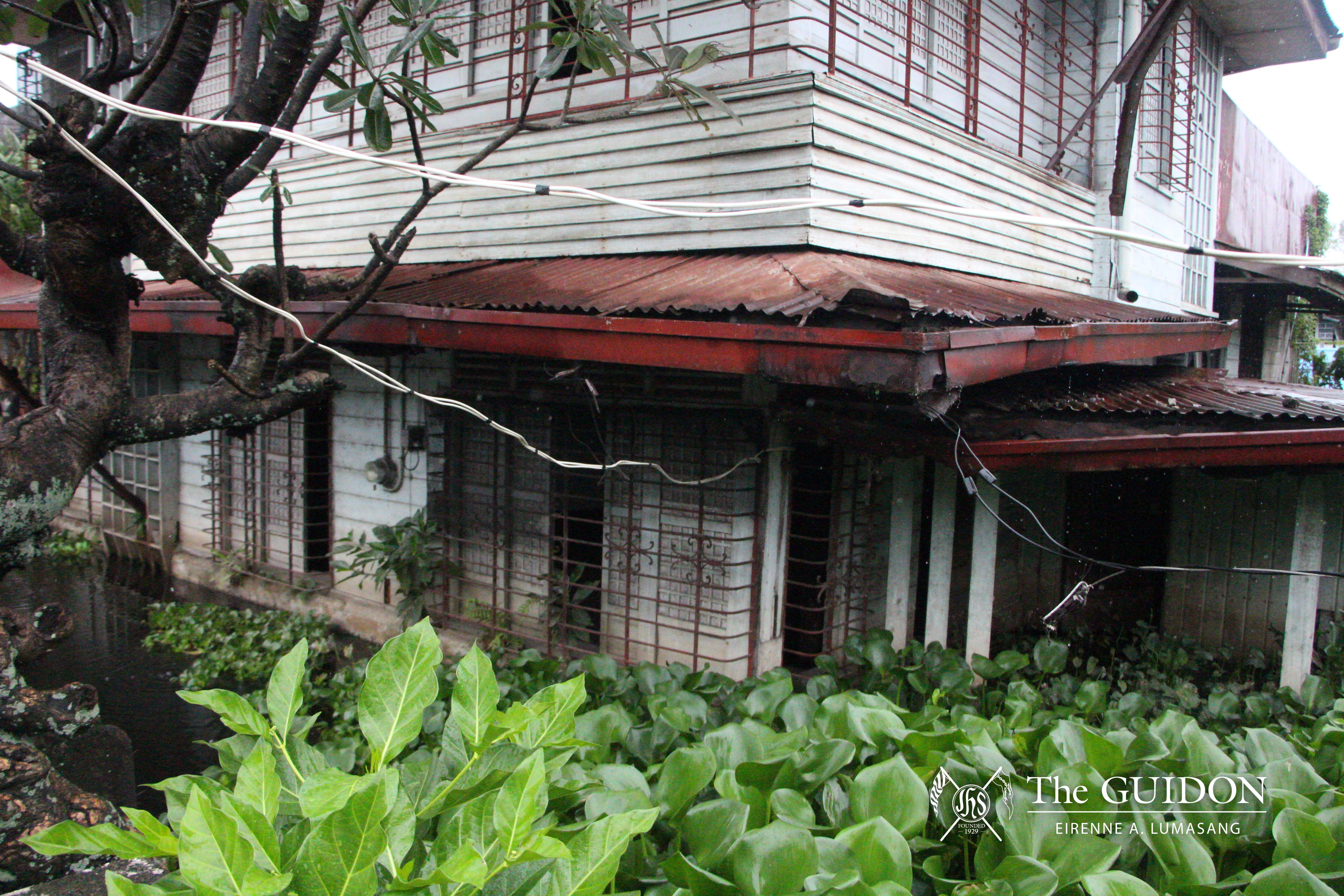
Last January 2020, Valenzuela City Mayor Rex Gatchalian announced the restoration of the historic Arkong Bato, as well as the reconstruction of Dr. Valenzuela’s ancestral house.
Built in 1949, this ancestral house found along Velilla Street in Barangay Pariancillo Villa, Metro Manila—formerly known as Polo—is famous for its historic relevance. Dr. Valenzuela, a member of Katipunan and the city’s namesake was born in this town. Dr. Valenzuela’s house, now submerged with water hyacinths, was destroyed during World War II. Following the war, his family opted to donate the house to the Valenzuela City government. Soon enough, the house became set for reconstruction into a museum.
Jonathan Balsamo, the city’s museum curator and Cultural Affairs and Tourism Development Office Head said that they are expecting the reconstruction to be finished within the year once the legal documents are processed and the house is formally turned over.
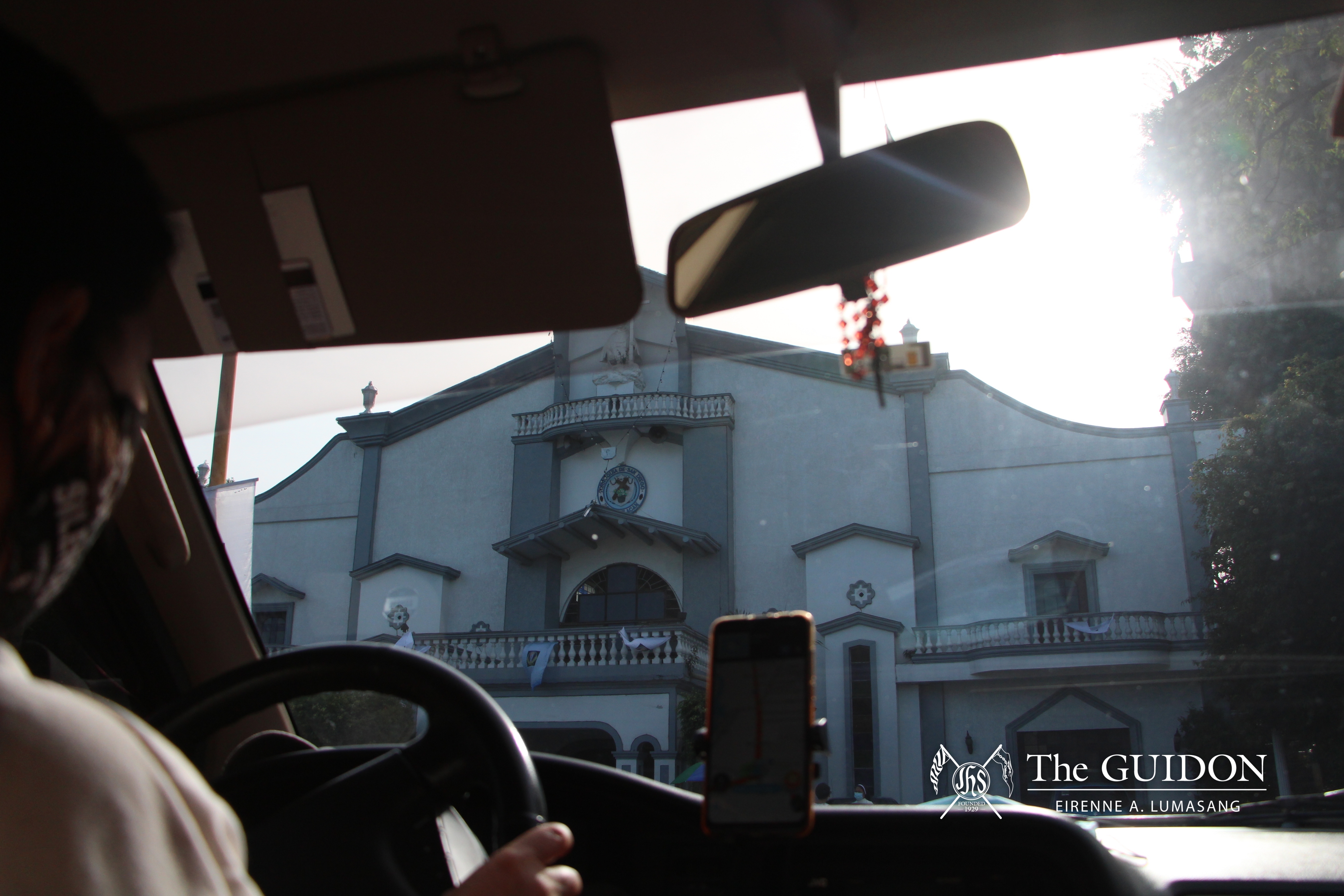
While many establishments remain closed due to pandemic restrictions and health protocols, the Valenzuela City government continues to enact steps that will shape the city’s tourism once operations resume. Last January 2021, the local governments of Valenzuela, Pasig, and Antipolo partnered up for the QR code scanning measure. The same QR code can be used to gain entry in any of the partnering cities to limit the volume of QR codes downloaded, as well as to expand efforts to monitor and conduct contract tracing.
With this, Valenzuela is set to bounce back once the efforts to restore and reconstruct the city are completed. Through the Department of Health’s and the Department of Tourism’s protocols and operational guidelines tailor-fit to the demands of the “next normal,” tourists may regain their confidence and pay the historic city
a visit.