
Since March of last year, Metro Manila has experienced varying levels of community quarantines in the government’s attempt to prevent further transmission of COVID-19 within the region. Consequently, onsite classes were suspended, citizens were discouraged from leaving their homes, and curfews were implemented—all of which have severely impeded local businesses and establishments.
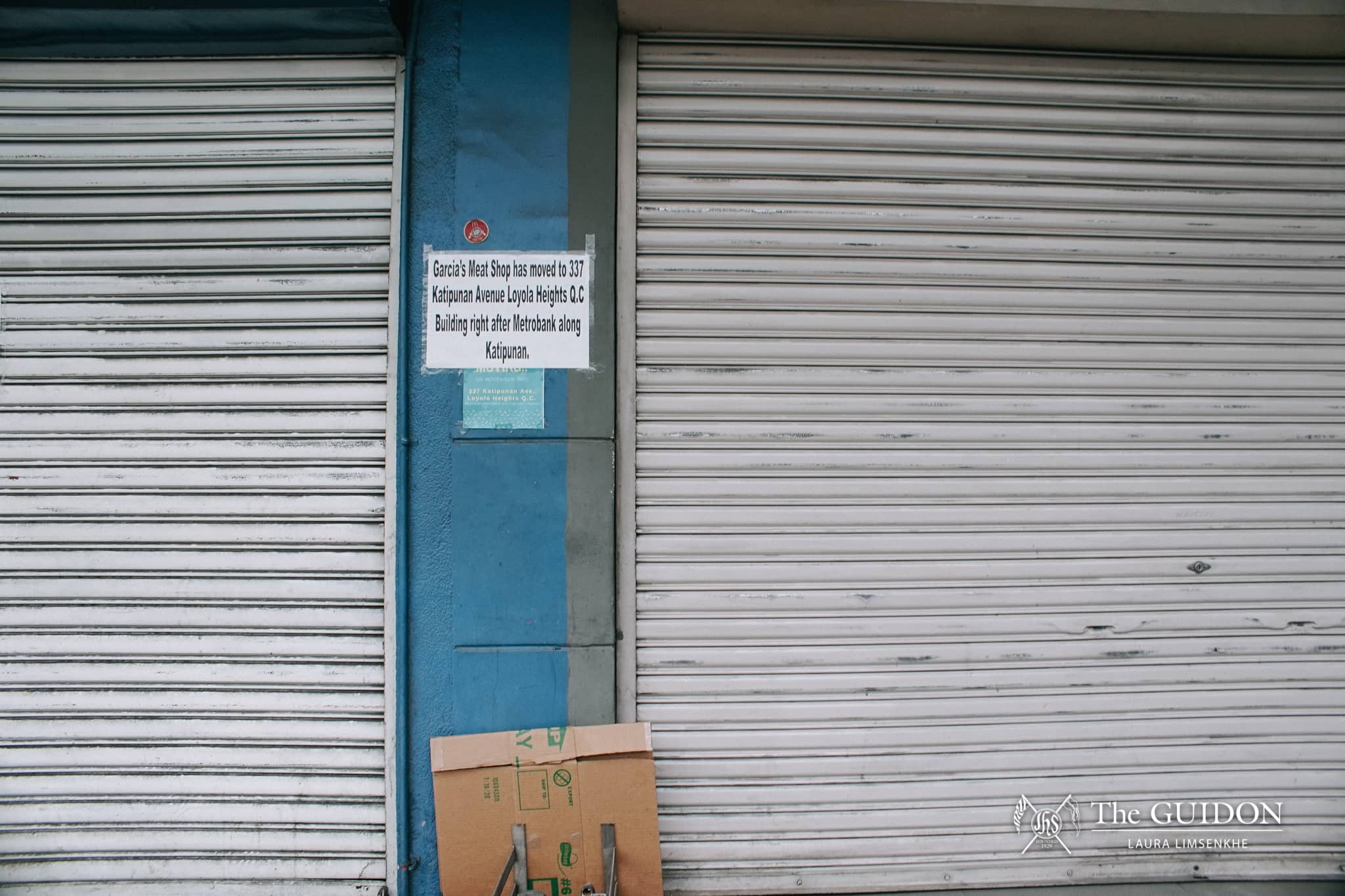
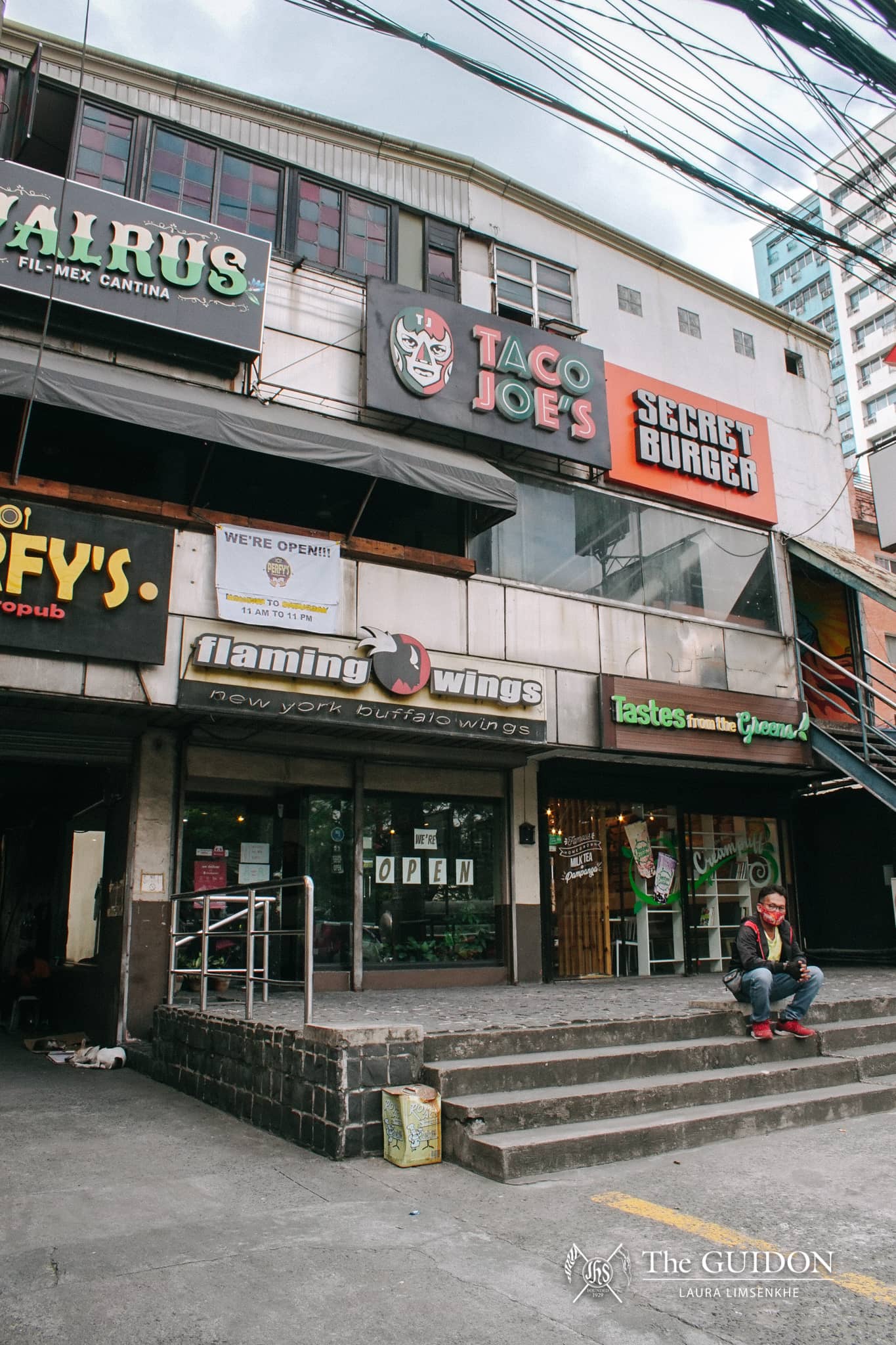
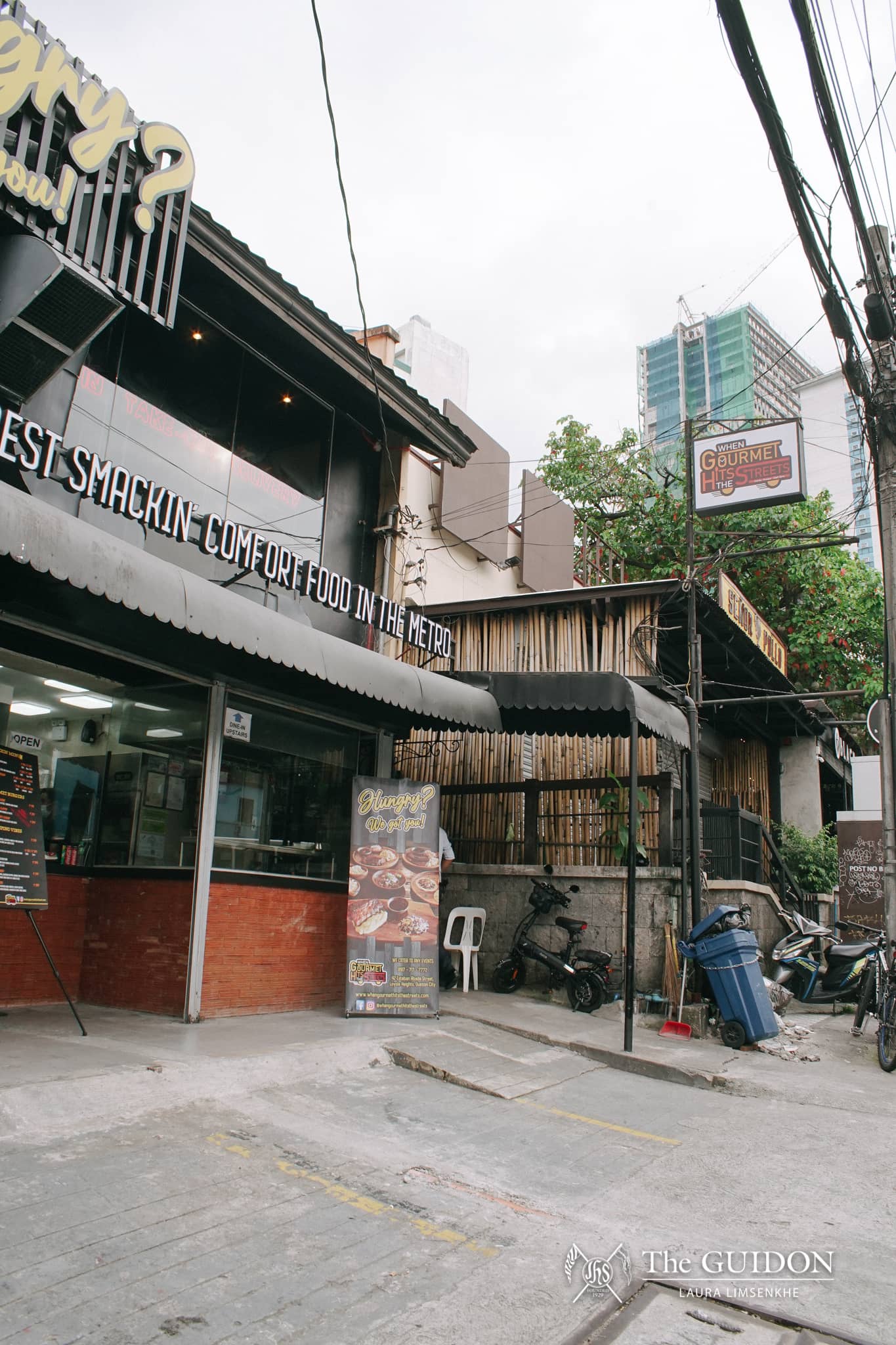
Katipunan Avenue, the road where Ateneo de Manila University and other colleges are located, is no exception to this phenomenon. In the past year, multiple Atenean-favorite establishments have closed up shop or currently await better days with hope.
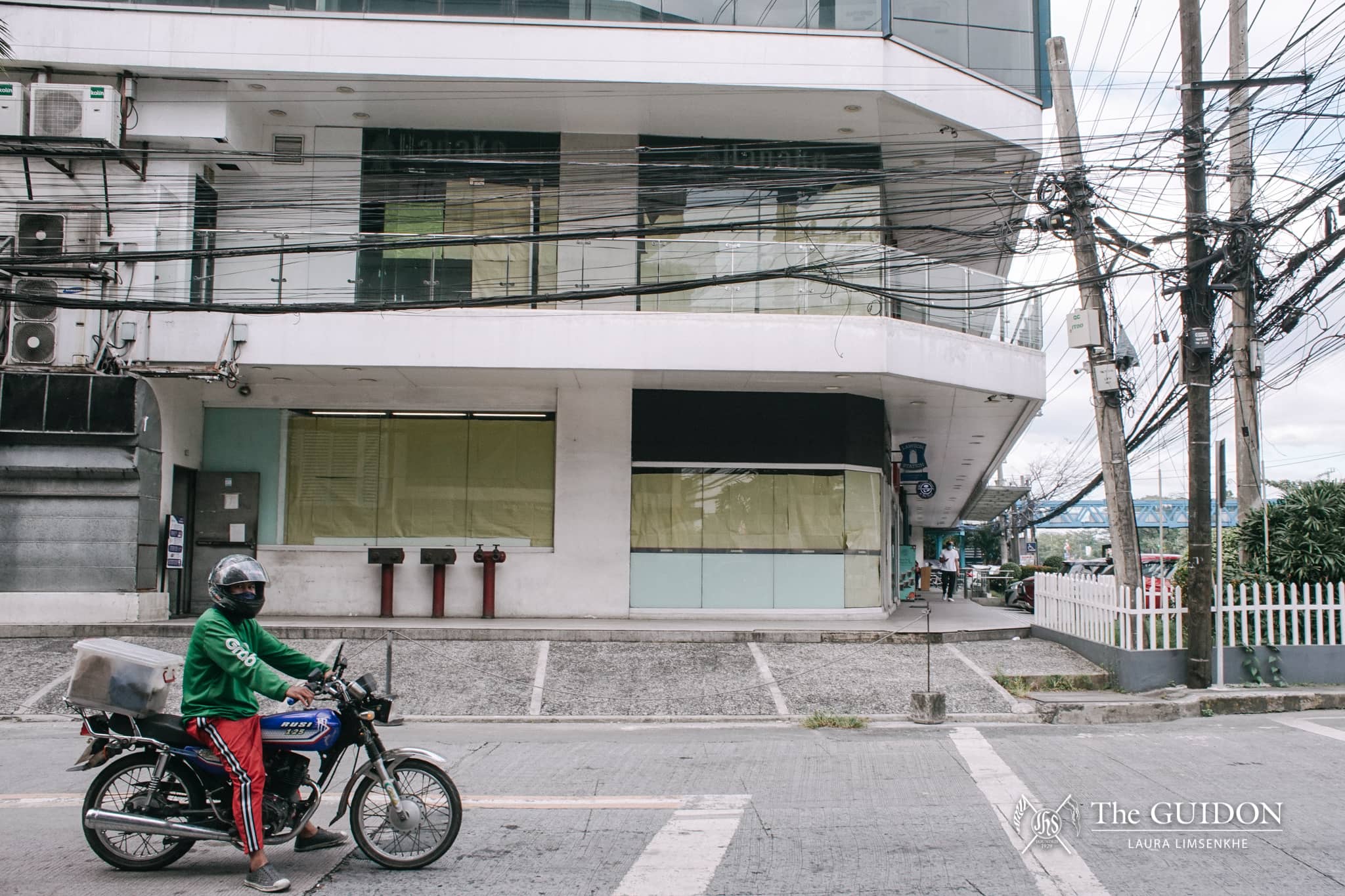
Some have managed to continue with business-as-usual but not without the typical compromises brought upon by the pandemic. Safety protocols and data collection for contact tracing are required while restaurant dine-in is limited as business hours are shorter
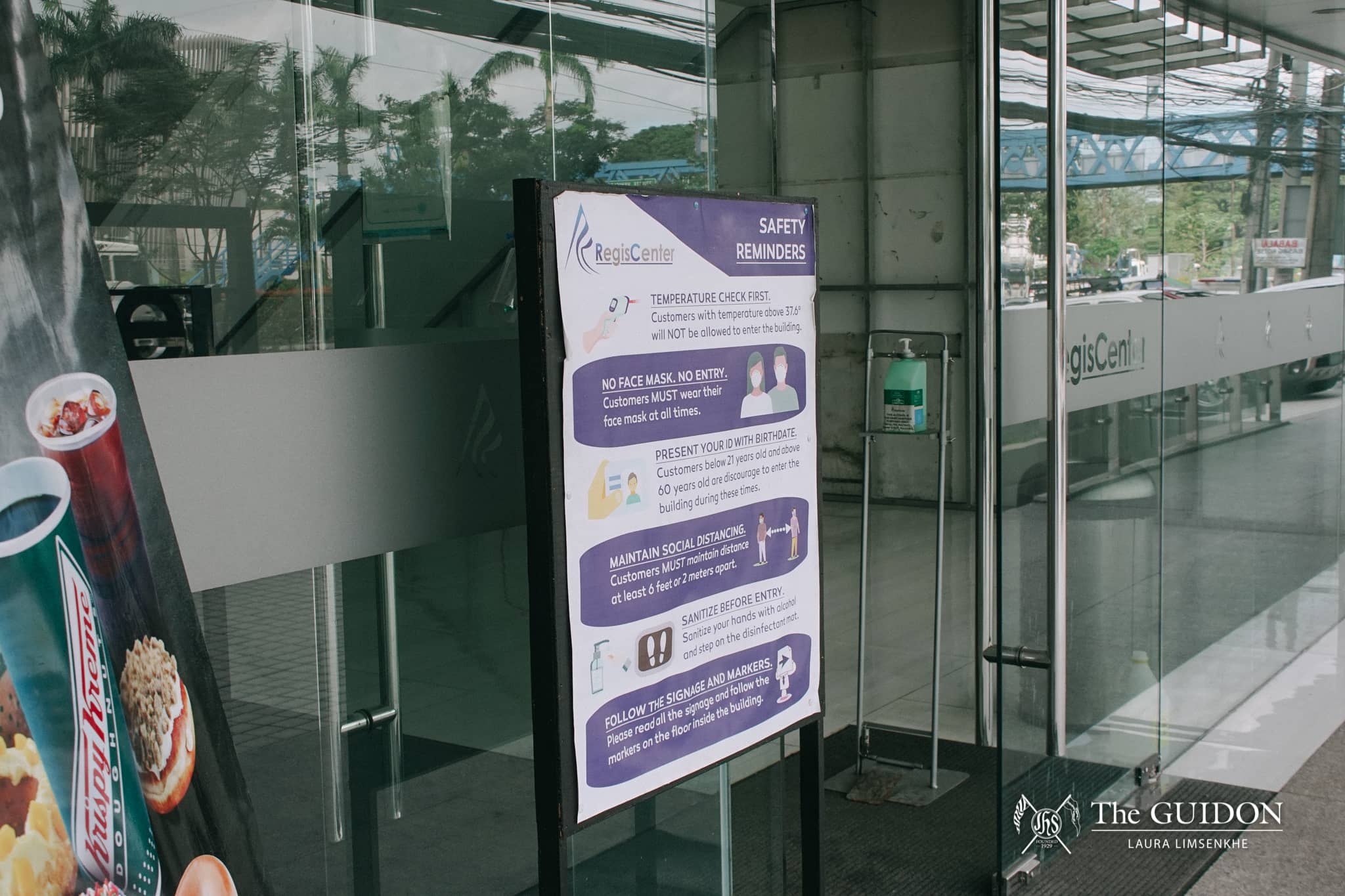
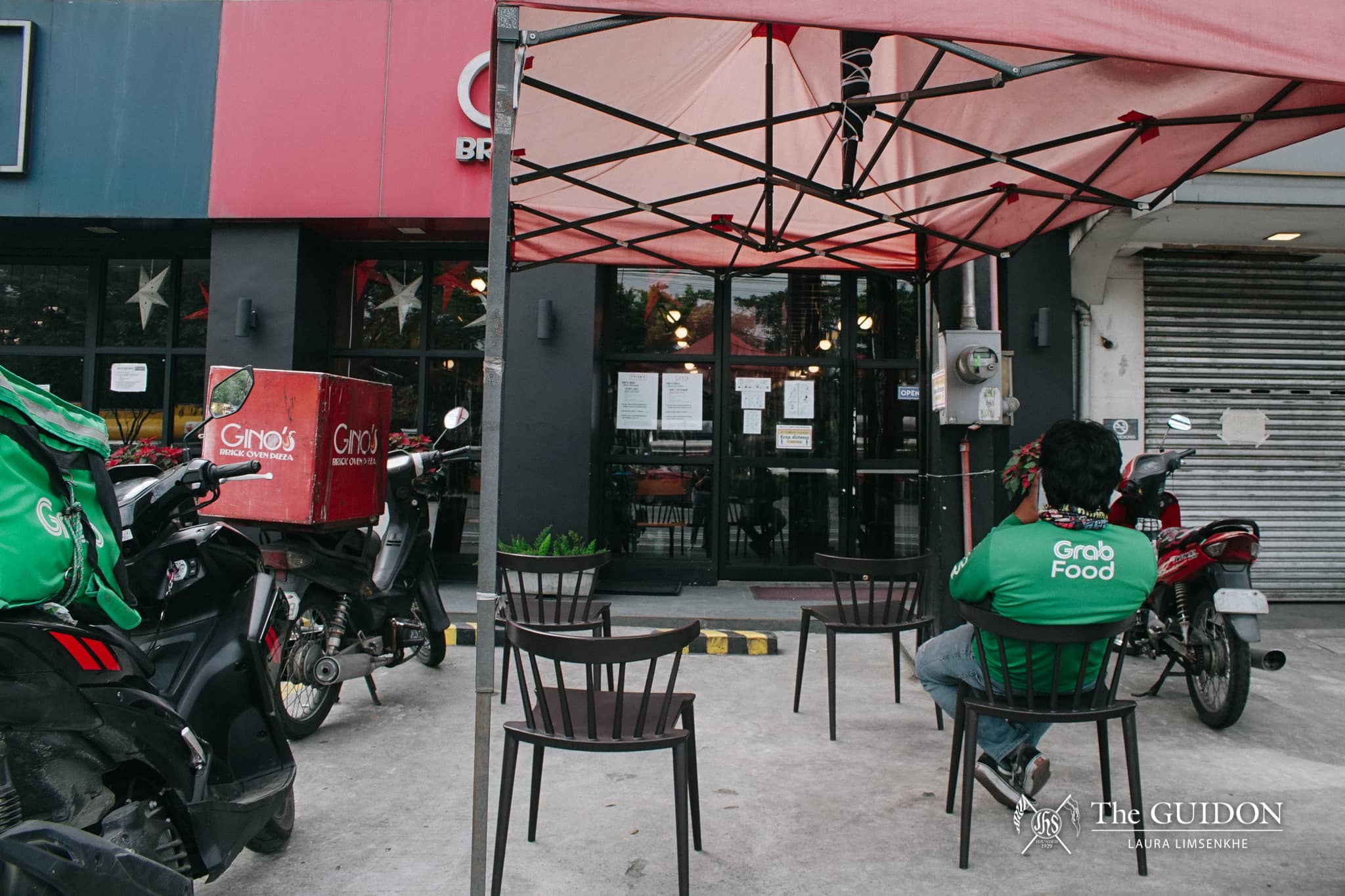
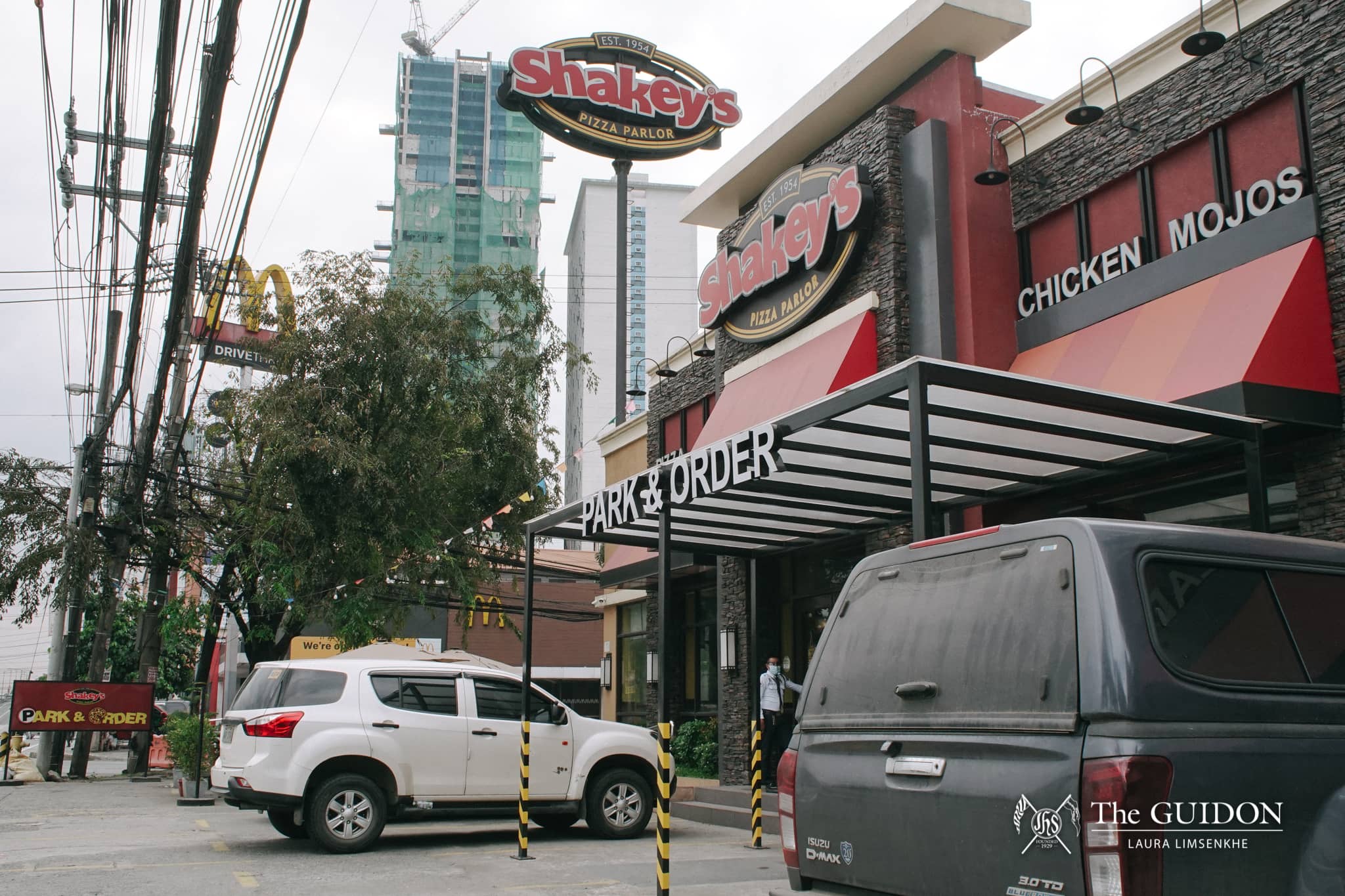
Despite the decrease in restaurant dining, F. dela Rosa street, known for its scent of fried chicken and cooking grease, still smells the same.
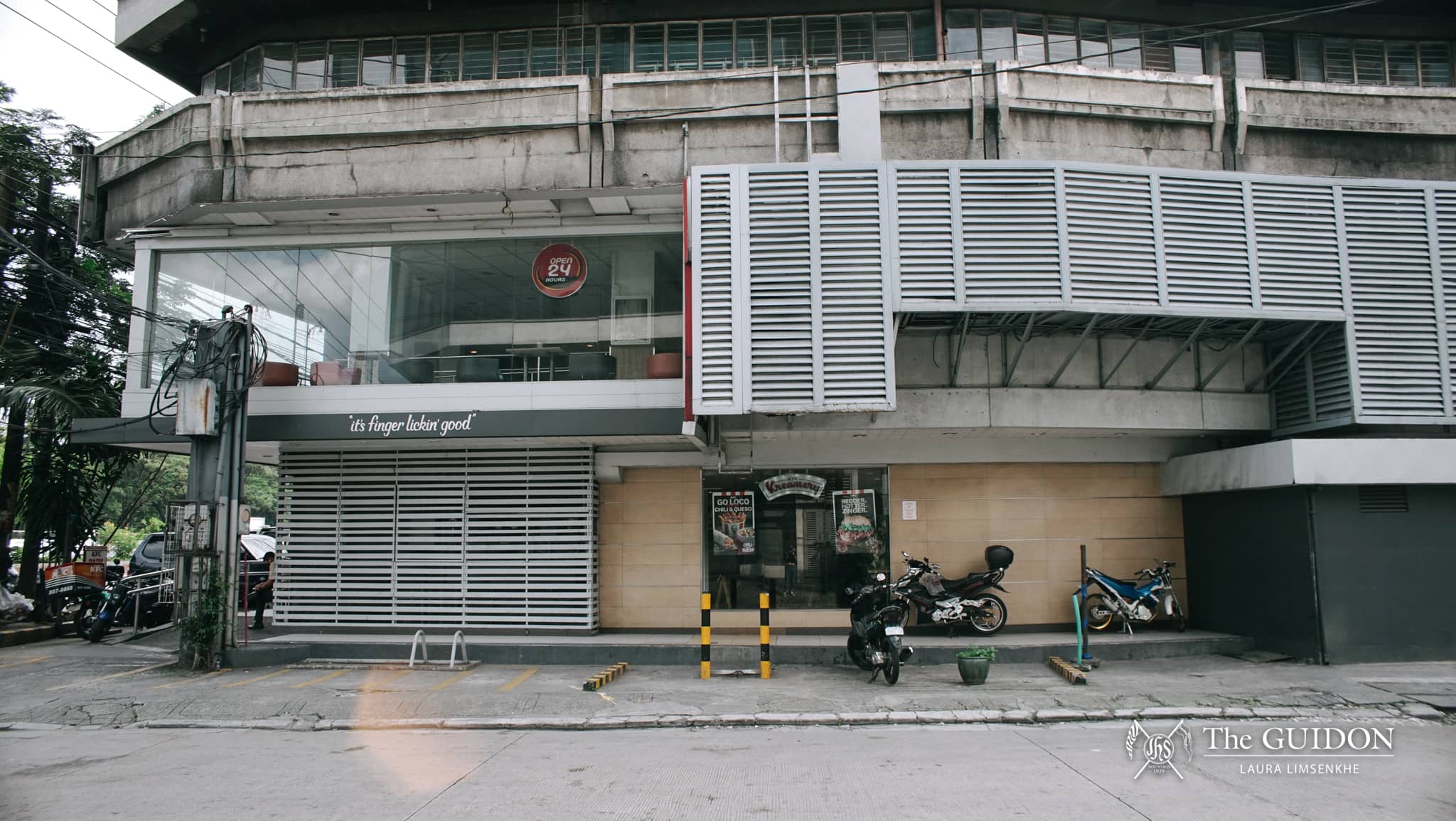
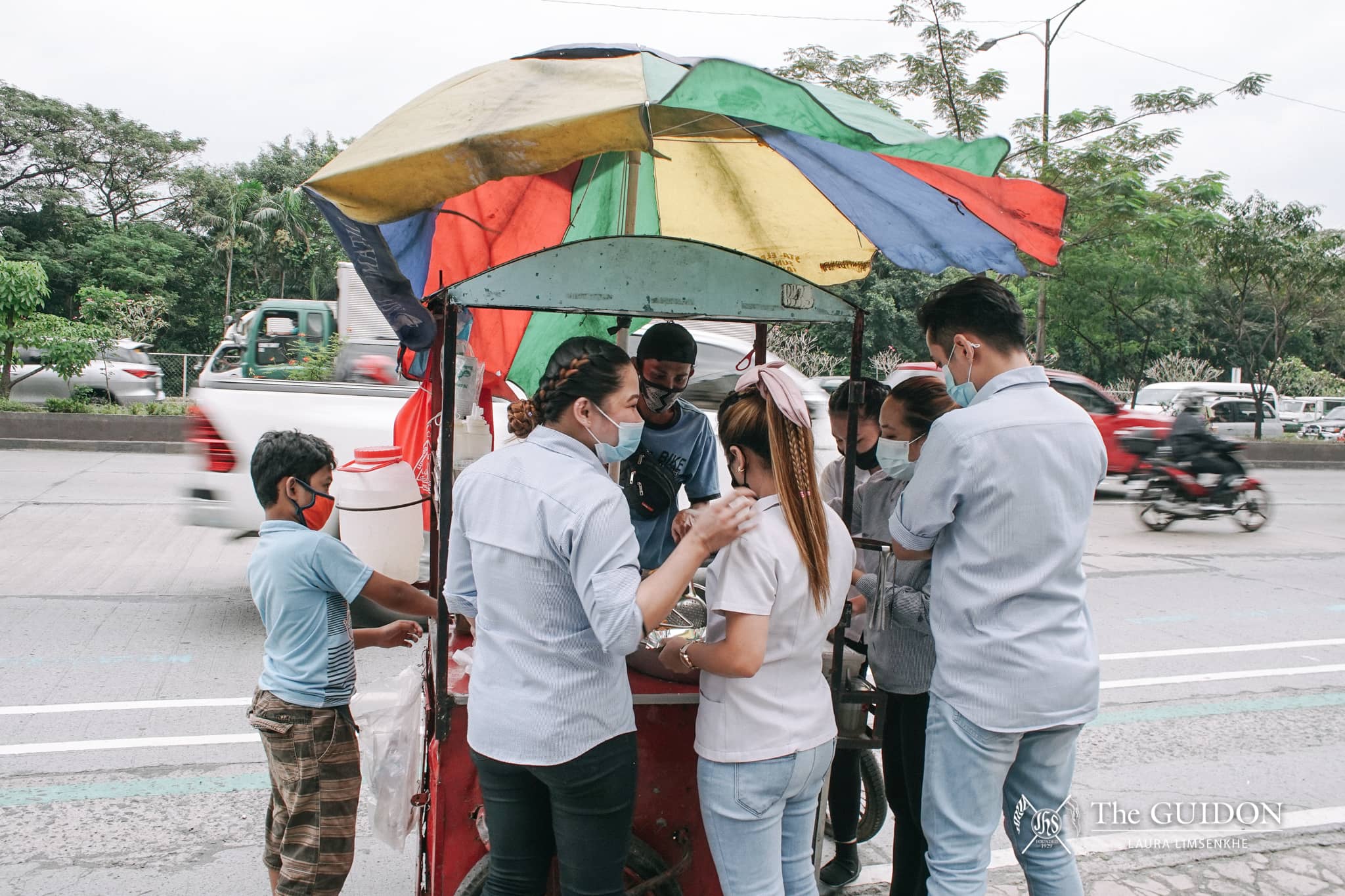
It might also come to the delight of many knowing that the fishball peddler (usually found outside of Starbucks) continues to serve the kwek kwek enthusiasts and office workers of the area.
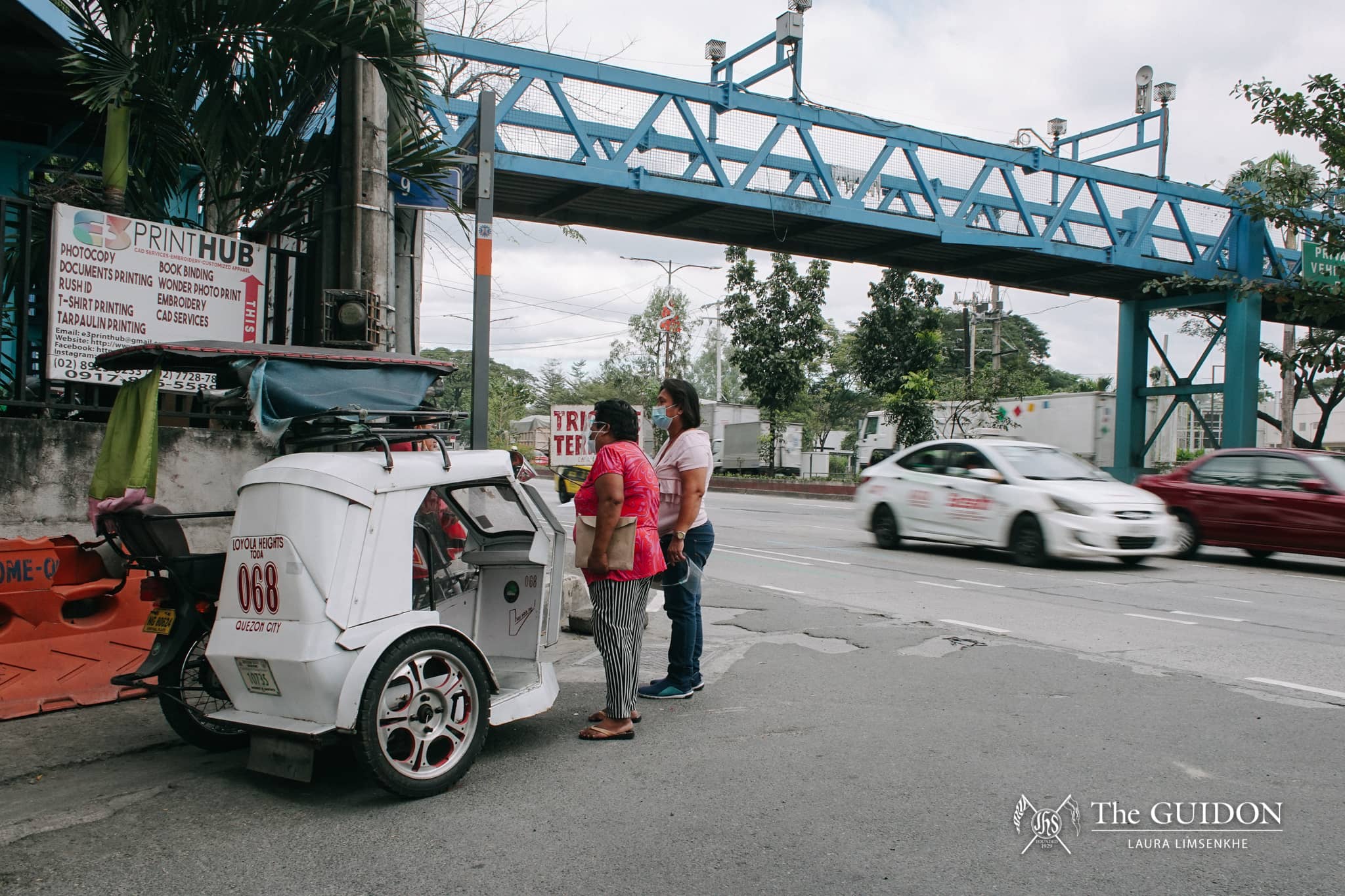
Meanwhile, tricycles continue to line the sidewalks with the familiar sound of the Loyola Heights drivers’ persistent calls—“Trike, Ma’am?”—echoing every time a potential rider walks past.
The sidewalks of Esteban Abada have also experienced a gradual decrease in foot traffic. But even so, its litter has survived and continues to persist.
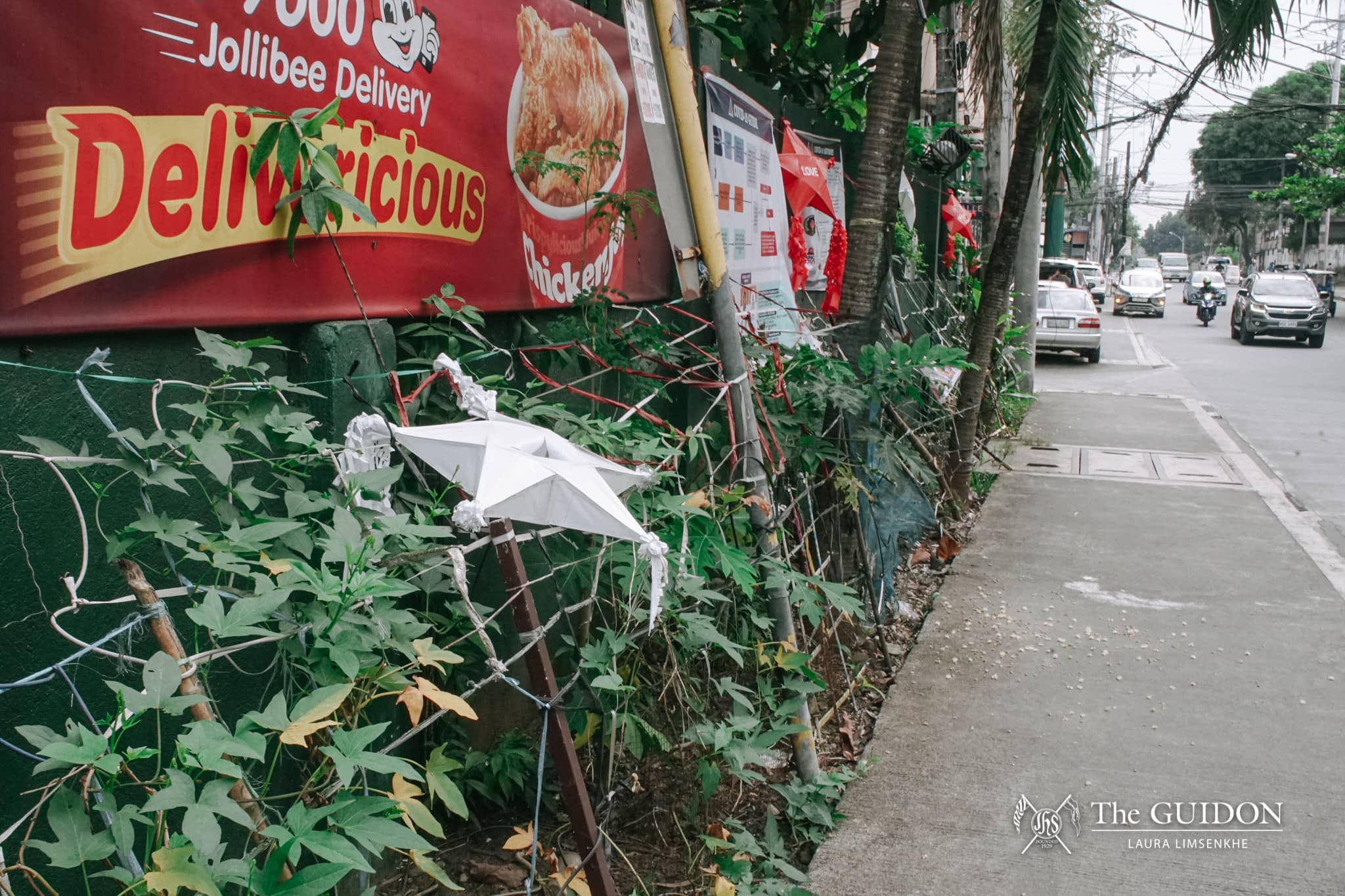
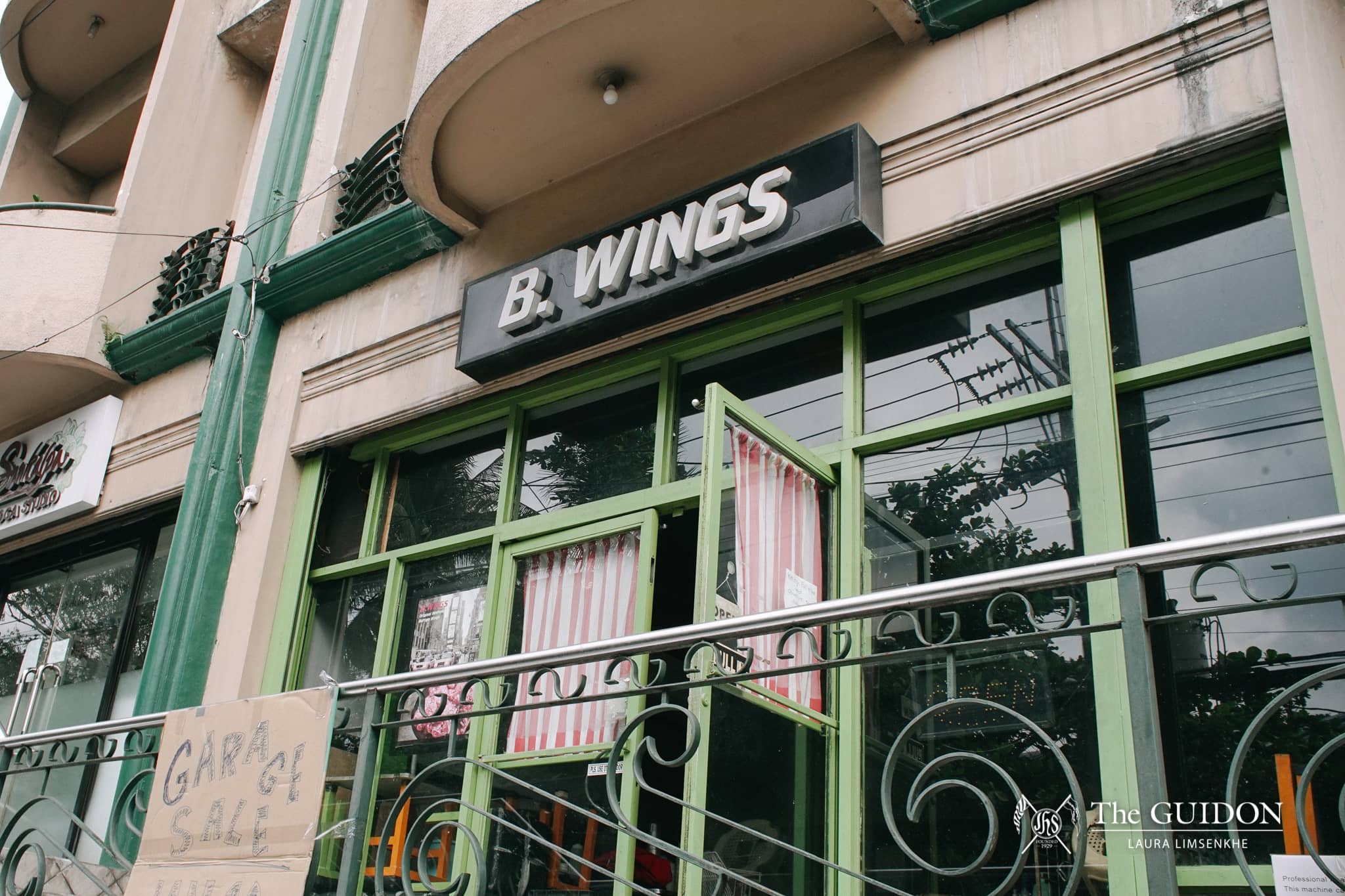
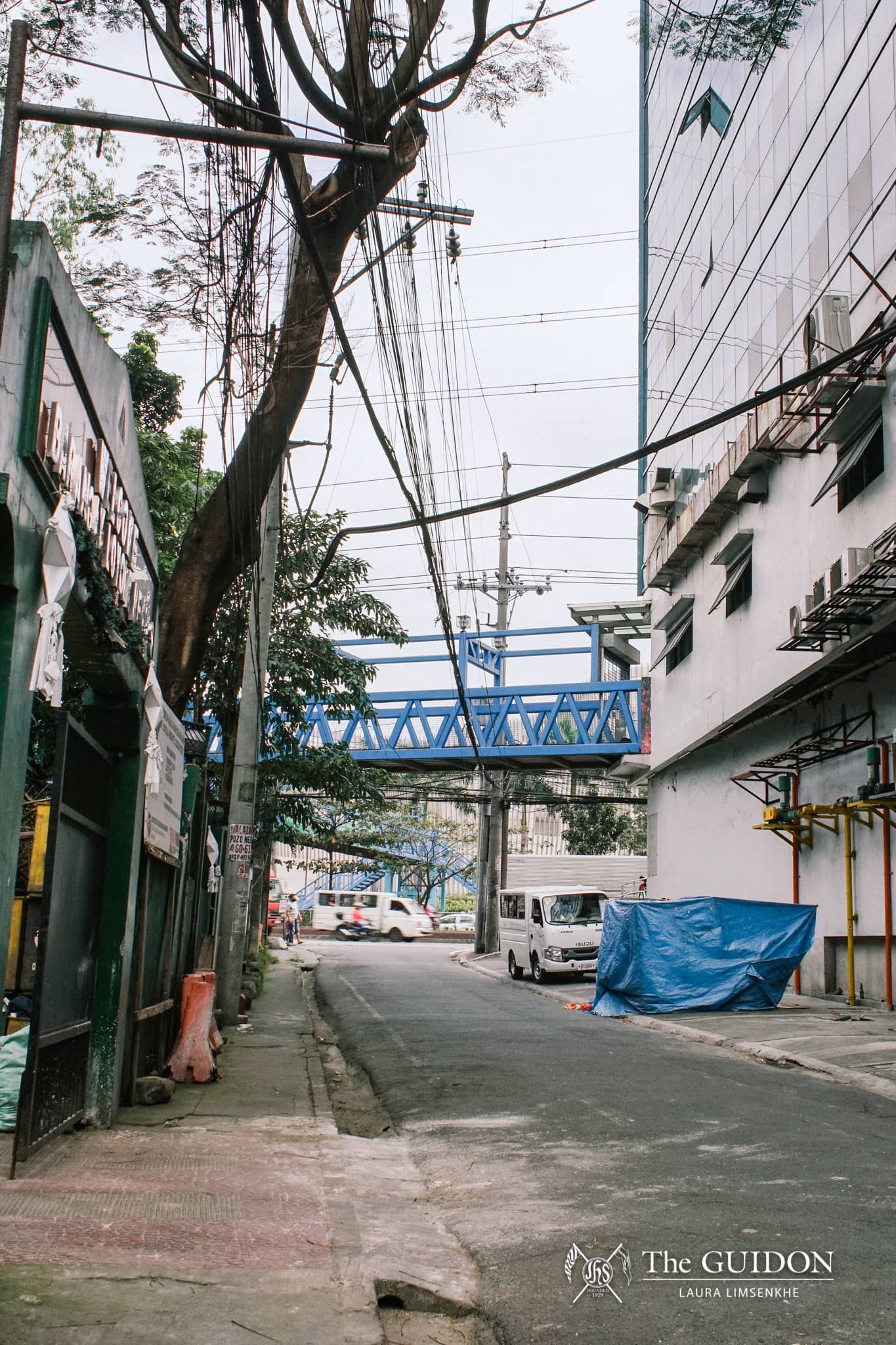
Ateneans might define the identity of Katipunan by what stands and what has been lost. Nevertheless, what this street has seen and the symbolism and meaning in its name must not be discounted. However different Katipunan is a year later—with its shuttered storefronts and blue footbridges—it will remain home to Ateneans old and new.